
Last updated November 3, 2026
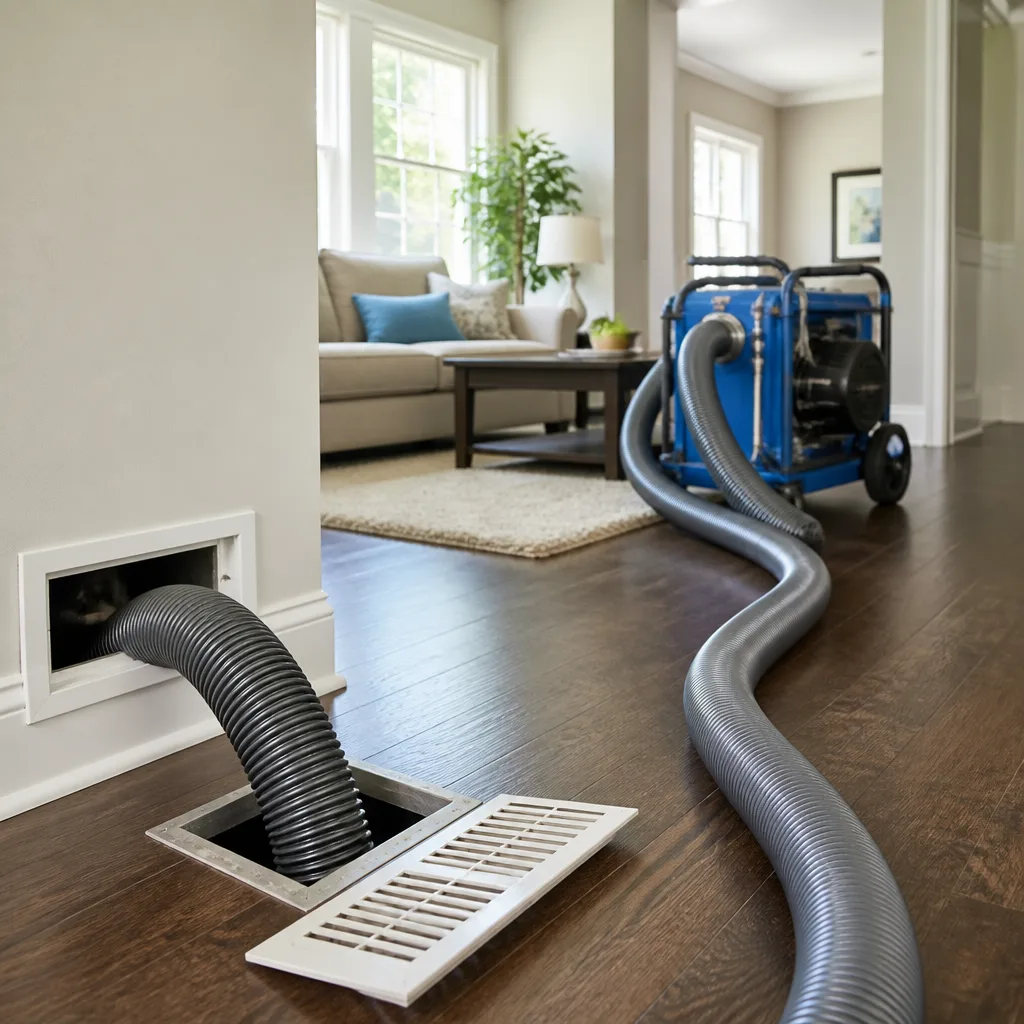 Whole-home duct cleaning
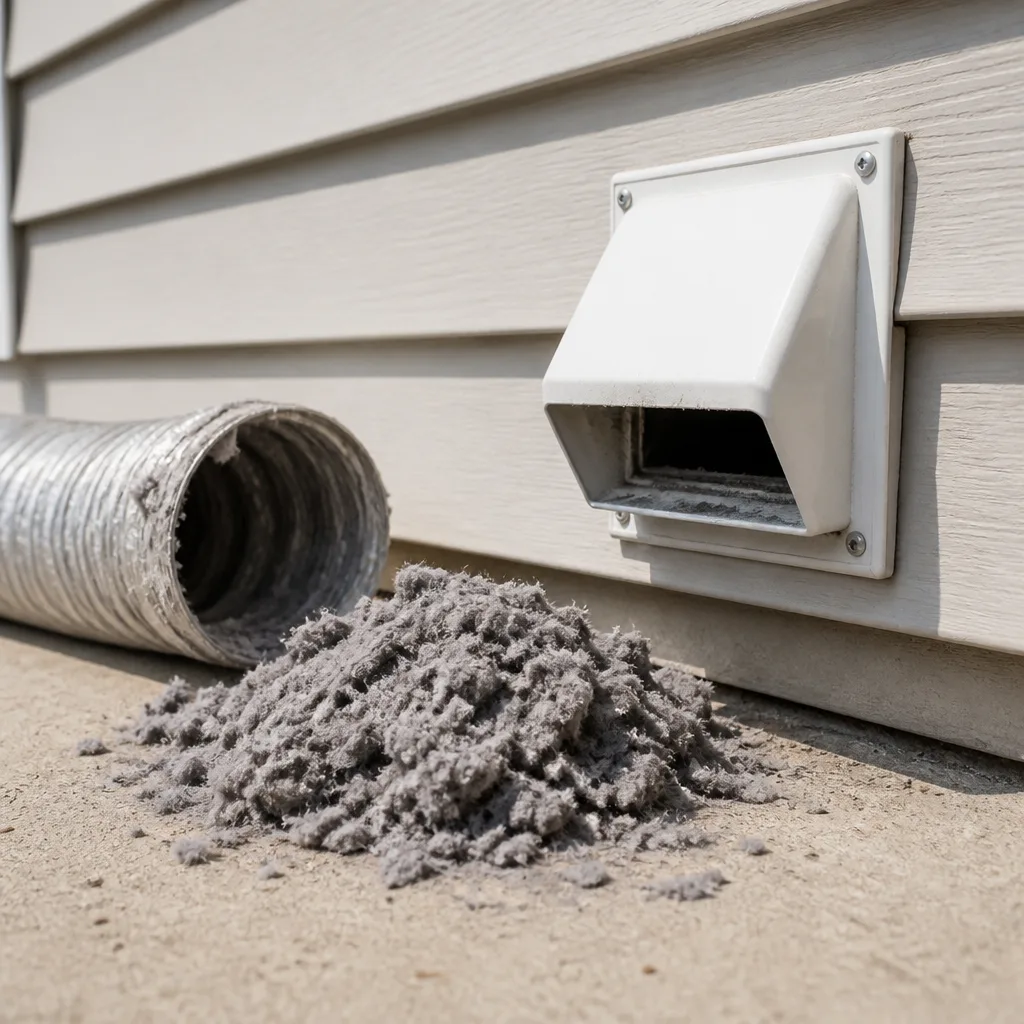 Dryer vent cleaning
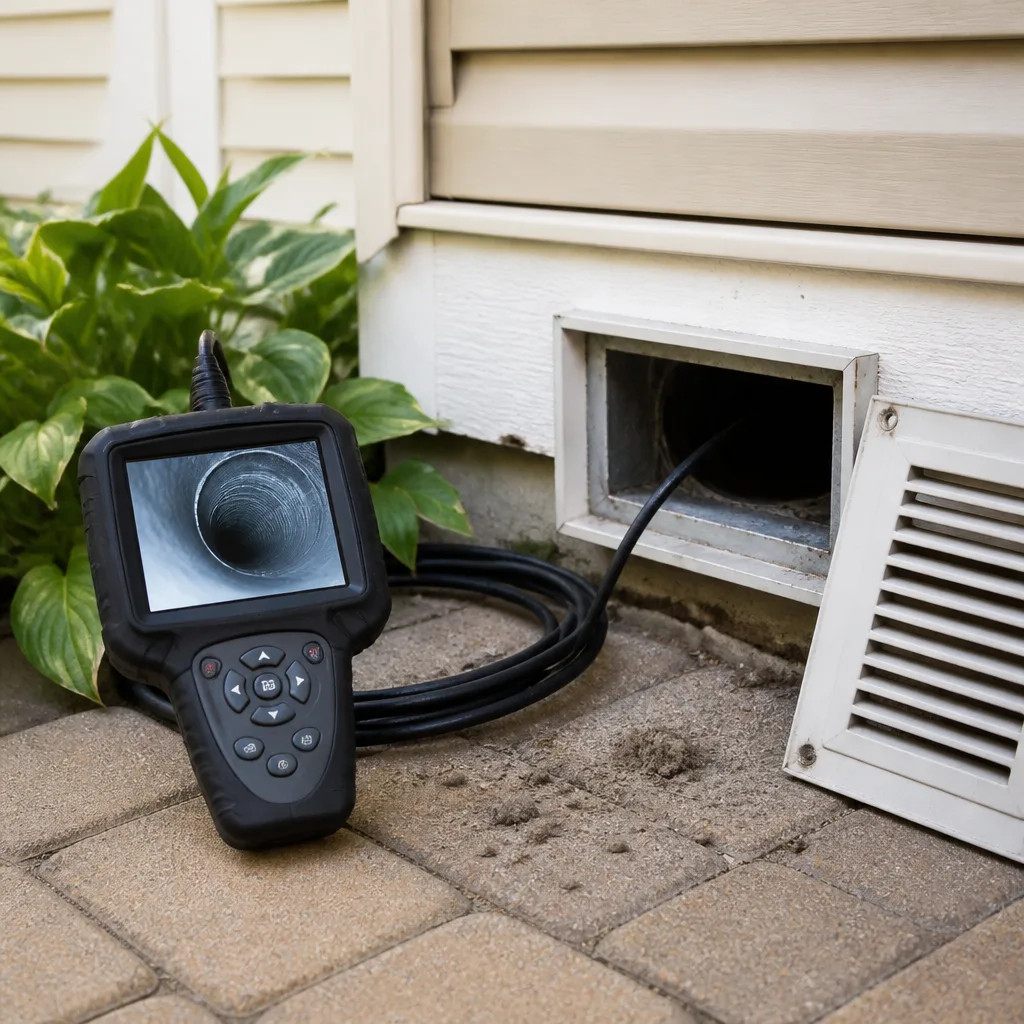 Camera inspection
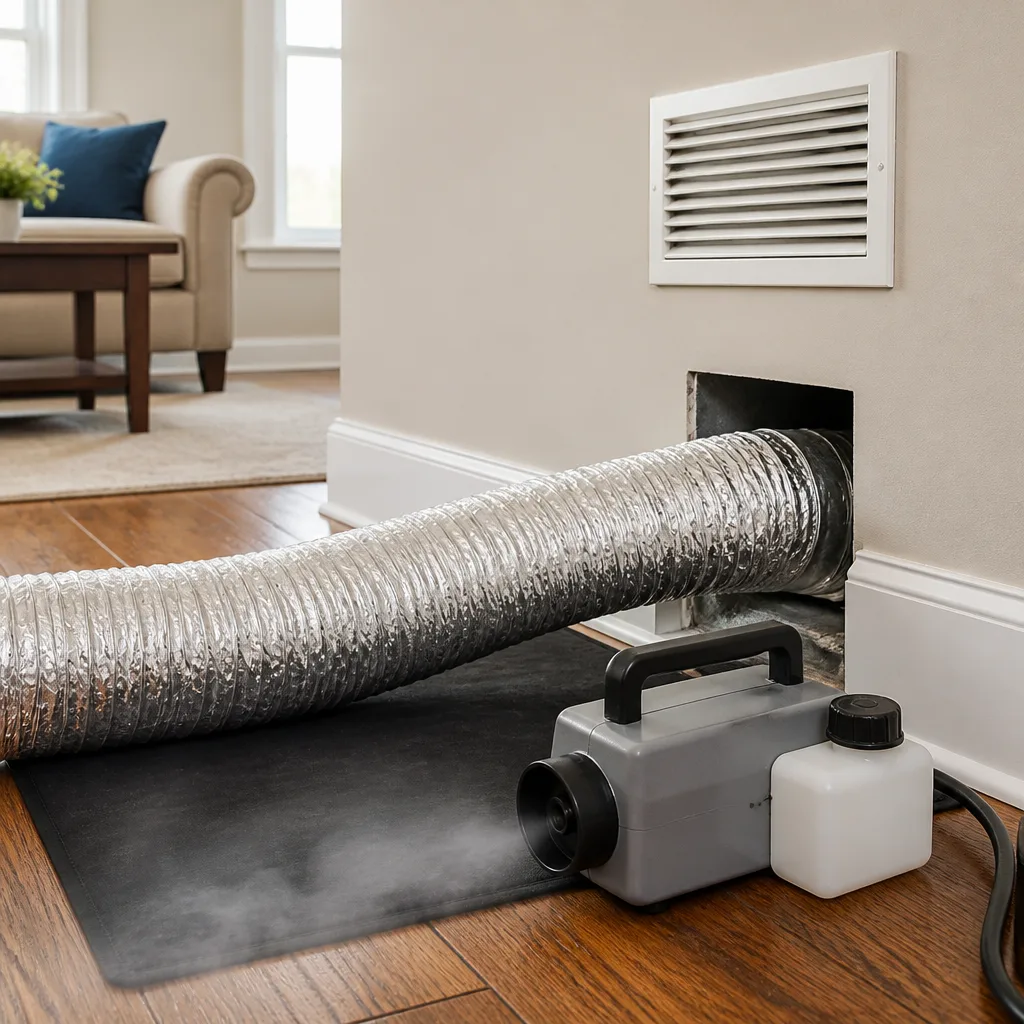 Sanitizing & deodorizing
Whole-system duct and dryer vent check with before-and-after photos - you see exactly what came out of your vents
That "$99 whole-house special" is a bait ad - the real number appears once they are in your hallway, or the "clean" is a shop-vac at the register. We photograph the inside of your ducts before and after instead.
Choosing the Right Air Duct Cleaning Brand: A Buyer’s Guide for San Jacinto
Here’s a counterintuitive truth about the duct cleaning industry: the most important brand decision you’ll make isn’t the name painted on the van. It’s the equipment brand running inside your home. A contractor with a recognizable franchise name but a portable shop vacuum is doing a fundamentally different job than an operator running a Rotobrush agitation system backed by Nikro negative air extraction, even if both charge you the same price. In San Jacinto, where summer dust, agricultural particulates, and Santa Ana winds load residential ductwork with everything from fine silt to pollen, this distinction matters more than most homeowners realize. Our Complete Air Duct Cleaning Guide for San Jacinto Homeowners will show you exactly how to evaluate the equipment, not just the estimate, and walk away knowing whether you’re getting a real system cleaning or a surface-level show.
Styles & brands we work with
- Whole-home duct cleaning
- Dryer vent cleaning
- Camera inspection
- Sanitizing & deodorizing
Quick Answer
The right air duct cleaning brand for San Jacinto homeowners isn’t a company name: it’s the equipment tier the contractor owns and deploys. Look for a contractor who runs commercial-grade agitation and extraction systems like Rotobrush, Nikro, and Abatement Technologies, can name their exact machines when asked, and backs the work with documented before-and-after inspection. If a contractor can’t name their equipment, they haven’t invested in it, and the cleaning will reflect that.
Table of Contents
- The Equipment Brands That Actually Matter
- What Rotobrush Systems Do Mechanically
- Why Nikro Negative Air Machines Are the Restoration Standard
- What Abatement Technologies Brings to Containment
- How to Verify a Contractor Actually Owns the Equipment They Advertise
- Why National Franchise Brands Often Underperform Local Specialists on Equipment
- The Contractor Evaluation Framework: What Actually Matters and in What Order
- Matching Equipment to Your Specific System: Duct Material, Size, and Access
- Common Mistakes to Avoid
- When to Call a Professional
- Frequently Asked Questions
- The Bottom Line
The Equipment Brands That Actually Matter
Most duct cleaning marketing talks about the result: cleaner air, lower dust, better airflow. Almost none of it talks about the mechanism that produces that result. But the mechanism is the entire job. Duct cleaning is a mechanical process. It requires two things happening simultaneously, in every section of ductwork: agitation to break debris loose from duct surfaces, and extraction to capture that debris and remove it from the home. If either half is weak, you’re not cleaning ducts. You’re moving dust around.
The equipment brands that serious San Jacinto contractors run fall into three functional categories: agitation systems, negative air extraction machines, and containment or air-scrubbing equipment. Agitation is what breaks up the debris film that coats duct walls after years of airflow. Extraction is what pulls that loosened debris out of the system under negative pressure. Containment is what protects the rest of the home from cross-contamination while the work happens. In our experience, homeowners who understand these three functions can evaluate any contractor’s pitch in about five minutes, because they know exactly what questions to ask.
Here’s the framework in plain language:
- Agitation systems are motorized brushes, air whips, or rotary tools that physically scrub the interior surfaces of ductwork. Without this step, debris that’s adhered to duct walls stays put.
- Negative air machines are high-powered extraction units that pull air through the duct system at a controlled rate, capturing loosened debris in a HEPA filtration bank before it can re-enter the home.
- Air scrubbers and containment are remediation-grade tools that filter ambient air and isolate work areas, used when ductwork contains mold, construction dust, or post-restoration particulate.
The difference between professional equipment and improvised tools is not cosmetic. A portable vacuum connected to a hose can pull loose dust from the first few feet of a return. It cannot maintain negative pressure across an entire duct run, cannot agitate adhered debris from duct walls, and cannot capture fine particulate at HEPA efficiency. The result is predictable: the duct still has a debris film, the system re-contaminates within weeks, and the homeowner paid for activity rather than outcome. That’s the gap our Complete Guide to Air Duct Cleaning in San Jacinto is designed to close.
What Rotobrush Systems Do Mechanically
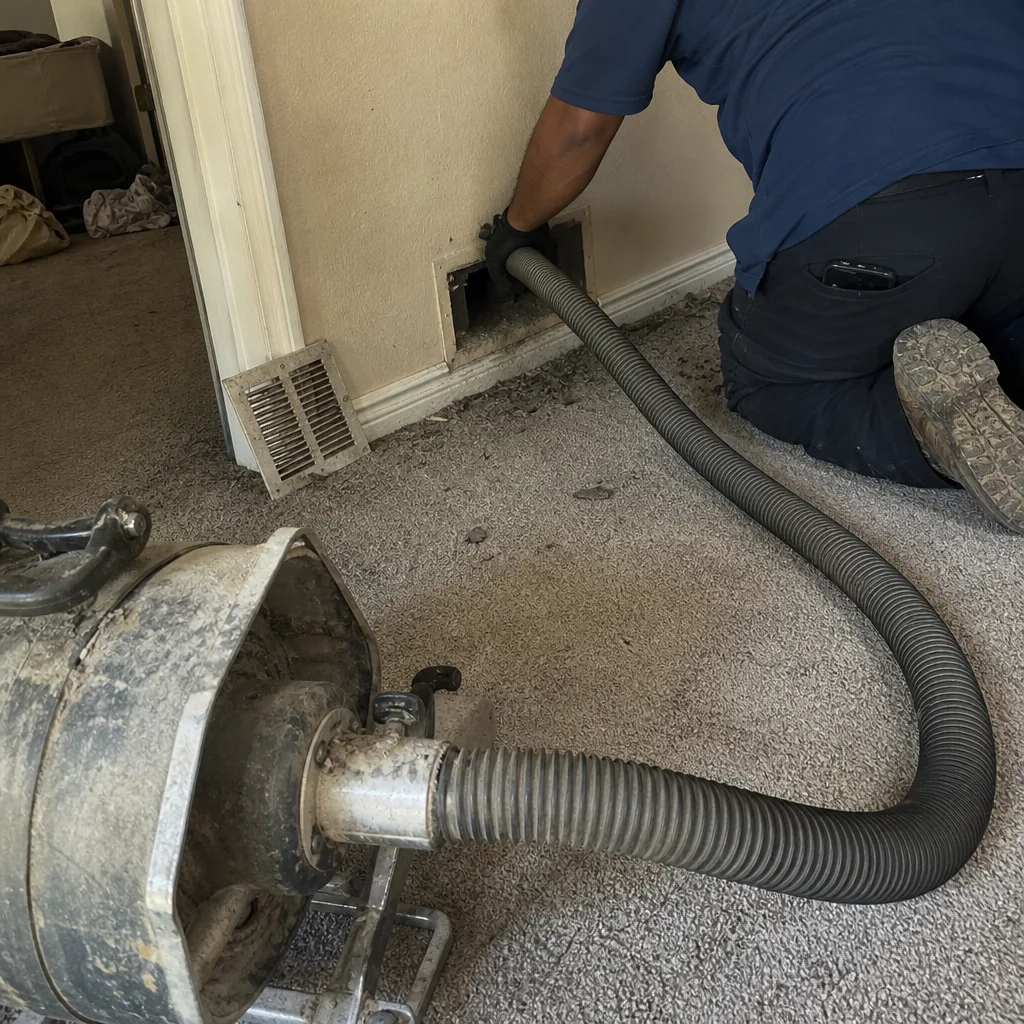
Rotobrush is the best-known name in powered duct agitation, and for good reason. The system works on a simple mechanical principle: a rotating brush head, sized to the duct, is fed through the ductwork while a vacuum simultaneously extracts loosened debris. The brush is motorized, not hand-cranked, which means it maintains consistent contact pressure against duct surfaces as it travels. That’s the critical difference between real agitation and a static brush that just pushes debris forward.
Here’s what happens mechanically when a Rotobrush system runs through ductwork:
- The brush head rotates at high speed, dislodging the debris film that has adhered to duct walls over years of airflow. This film is not loose dust: it’s a compressed layer of skin cells, pet dander, construction debris, and environmental particulate that has been pressed against the duct by constant air movement.
- The rotation runs continuously as the operator advances the brush through the duct, so agitation and extraction happen in the same pass, not as separate steps.
- The vacuum side of the system captures dislodged debris at the point of agitation, preventing it from drifting further down the duct or re-settling in a different section.
- The brush is fed section by section, with the technician working from access points that may be created at the plenum or register depending on system configuration.
For San Jacinto homeowners, the relevant question is whether the contractor’s agitation system is motorized and properly sized. Ductwork in this area varies from rigid sheet metal in older homes to flex duct in newer construction, and the brush type matters. A rotating brush sized for residential ducts does the mechanical work that no vacuum alone can accomplish. If a contractor shows up with a vacuum hose and no agitation tool, they are not cleaning the ducts. They are vacuuming the accessible portions and calling it a job. That’s the mechanical reality, and it’s the first thing to verify when evaluating any Air Duct Cleaning in San Jacinto contractor.
Why Nikro Negative Air Machines Are the Restoration Standard
Nikro is a name that most homeowners never hear, but it’s the brand specified by restoration contractors and remediation professionals when air quality matters. The reason is negative air pressure. A Nikro unit is not a vacuum in the household sense. It’s a portable negative air machine, which means it’s engineered to pull air through a defined space at a controlled rate, filter it through multiple stages including HEPA, and exhaust clean air. The machine creates a pressure differential that keeps contaminated air from escaping the work area.
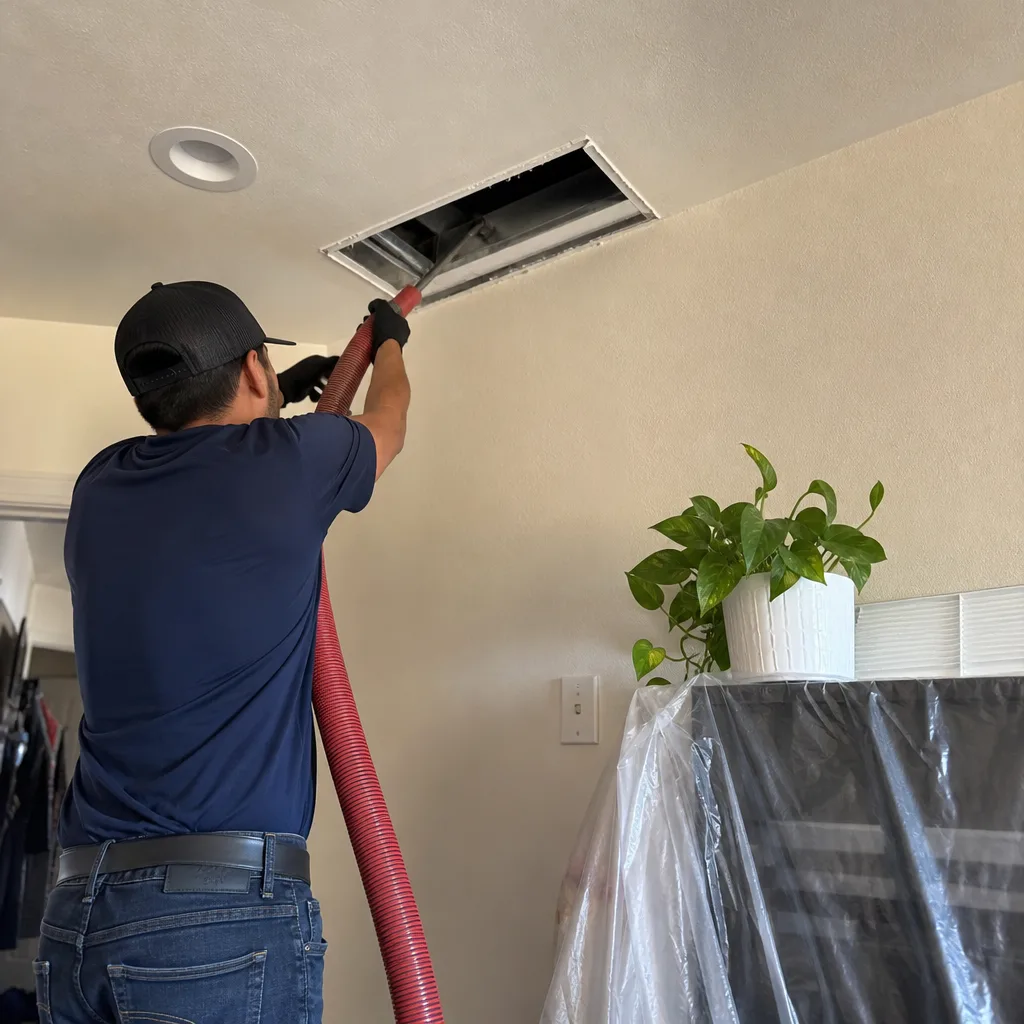
In duct cleaning, that pressure differential matters for a specific reason. When you agitate duct debris, you release particulates into the air stream inside the duct. If the extraction side of the system is weaker than the agitation side, those particulates follow the path of least resistance, which is often back through the registers and into the living space. A Nikro negative air machine prevents this by maintaining stronger negative pressure at the extraction point than the agitation creates at the brush head. Debris is pulled toward the vacuum, not toward the rooms.
The HEPA filtration stage is the second reason restoration professionals specify Nikro. HEPA filters capture 99.97% of particles at 0.3 microns, which includes the fine dust, mold spores, and allergen particles that standard filter media miss. For San Jacinto homeowners with allergies or respiratory concerns, this is not a technicality: it’s the difference between removing allergens from the duct system and redistributing them through the living space during the cleaning process.
When evaluating a contractor, ask what extraction equipment they run and whether it’s HEPA-rated. If the answer is vague, if they describe their vacuum without naming a brand or filtration spec, treat that as a signal. Contractors who invest in Nikro or equivalent negative air equipment know exactly what they’re running, because the equipment is a significant capital investment and a point of professional pride. Contractors who don’t invest in it won’t have a coherent answer, because the question exposes the gap between their marketing and their method.
What Abatement Technologies Brings to Containment
Abatement Technologies occupies a different niche than Rotobrush or Nikro. The company manufactures air scrubbers, HEPA filtration units, and containment equipment used in environments where airborne contamination is a genuine health concern: mold remediation, asbestos abatement, hospital construction, post-fire cleanup. When a duct cleaning contractor carries Abatement Technologies equipment, it signals remediation-level capability, not just routine maintenance capability.
For the average San Jacinto home, containment matters in specific scenarios. If your ducts contain mold growth, if you’ve recently completed a renovation that deposited drywall dust through the system, or if your home has experienced smoke infiltration from a wildfire, routine duct cleaning is not the right scope of work. Those situations require the duct cleaning process to include air scrubbing and containment, so that the contaminants removed from ducts do not simply move into adjacent rooms. Abatement Technologies equipment is designed for exactly that: it filters ambient air through HEPA stages while the work area is maintained under controlled conditions.
The practical takeaway is simple: ask your contractor whether they carry containment or air-scrubbing equipment, and under what circumstances they deploy it. A contractor who owns this equipment can answer the question directly and explain their protocol. A contractor who doesn’t own it will likely wave the question off or redirect the conversation. The difference matters for anyone in San Jacinto who has renovated, remodeled, or lived through a wildfire season where smoke found its way into every crevice of the home.
We carry Abatement Technologies equipment for exactly these scenarios. It’s not deployed on every job, because most routine duct cleaning doesn’t require remediation-level containment. But when the job does require it, having the equipment is the difference between doing the work correctly and either turning the job away or doing it incompletely.
How to Verify a Contractor Actually Owns the Equipment They Advertise
Every duct cleaning company in San Jacinto says they use professional equipment. Few of them actually own it. The gap between the claim and the reality is the single largest source of homeowner disappointment in this industry, and it’s easy to close if you know what to look for.
The most direct verification method is simply to ask the question and watch what happens. Contractors who own commercial-grade equipment answer immediately, with specifics: the brand, the model, the brush diameters they stock, the filtration stages on their extraction unit. They answer like someone describing tools they use every day, because that’s exactly what they’re doing. Contractors who rent equipment for upsell jobs or list brands on their website without deploying them will hesitate, deflect, or give broad answers that don’t survive a follow-up question.
Here’s a numbered verification sequence any homeowner can run over the phone:
- Ask for the agitation system by brand and model. A legitimate operator names it without pausing: “Rotobrush system with multiple brush head sizes,” for example. A vague answer like “professional rotary brushes” with no brand is a yellow flag.
- Ask for the extraction equipment by brand and filtration spec. Listen for “negative air machine” and “HEPA” in the answer. If you hear “industrial vacuum” with no brand and no filtration detail, treat it as a red flag.
- Ask whether the equipment is company-owned or rented. Renting is not automatically disqualifying, but it changes the economics. Rental equipment tends to be used conservatively, with technicians trained to minimize wear rather than maximize cleaning aggressiveness. Company-owned equipment tends to be used properly because the contractor paid for it and knows exactly what it can do.
- Ask how the technician documents the before-and-after condition. A camera inspection of the ducts, shown to you before cleaning and after, is the industry standard for verification. Contractors who skip this step are asking you to take the outcome on faith, and that’s not a reasonable ask.
- Ask what happens if debris remains after the first pass. Professional operators re-run sections until the inspection shows clean ducts. Operators running inadequate equipment can’t re-run sections because the equipment can’t get the debris off in the first place.
These questions take five minutes. They reveal more about what you’re actually buying than an hour of discussion about company history or service guarantees. Equipment ownership is the honest signal: a contractor who invested $30,000 to $80,000 in commercial-grade equipment made that investment because they’re serious about the work. A contractor who didn’t make that investment is running a different business model, and the results will reflect it.
Why National Franchise Brands Often Underperform Local Specialists on Equipment
The logic of franchise duct cleaning seems sound on its face: a national brand has standardized processes, marketing resources, and a recognizable name, so the service should be consistently better. In practice, the economics of franchise systems push in the opposite direction, particularly on equipment. And equipment is where the result is determined.
Here’s the economic reality. A national franchise operator pays recurring franchise fees, marketing levies, and system-wide overhead costs that a local independent contractor does not. Those costs come out of the same revenue pool that would otherwise fund equipment investment, technician training, and quality control. The result is predictable: franchise operators maximize margin by minimizing equipment spend. The tools on the truck are the first place that pressure shows up.
A local owner-operator like Duct Cleaning San Jacinto home runs a different equation. Every dollar invested in a Rotobrush agitation system or a Nikro negative air machine is a dollar spent directly on job quality and customer outcomes, without franchise fees siphoning off the top. The contractor who owns the equipment also operates the equipment, which creates a direct line of accountability: if the job isn’t done right, the same person who bought the gear loses the reputation that drives their next job. Franchise technicians, by contrast, answer to a regional manager, who answers to a corporate office, and the equipment on the truck reflects the franchise’s cost structure, not the technician’s professional judgment.
The equipment gap is not subtle. In our experience across San Jacinto, franchise duct cleaning jobs consistently run portable vacuums and static brush systems, while local specialists who’ve invested in commercial-grade equipment run powered agitation and negative air extraction. The difference in the duct is visible in a before-and-after camera inspection. One looks like a layer of debris was scoured off the walls. The other looks like the loose dust was removed and the adhered film was left behind.
None of this means every franchise operator is bad or every local contractor is honest. It means the evaluation should run on equipment, not on brand familiarity. Ask every contractor, franchise or independent, the same five verification questions from the section above. The answers will tell you more than the logo on the van.
The Contractor Evaluation Framework: What Actually Matters and in What Order
Homeowners tend to evaluate duct cleaning contractors in the wrong order: price first, then availability, then reputation, then quality. The right order is a weighted evaluation where equipment and process rank above all else, because equipment and process determine what actually happens inside your ducts. Here’s the framework, in order of actual importance.
1. Equipment ownership and grade (highest weight). Does the contractor own commercial-grade agitation and extraction equipment, and can they name it specifically when asked? This single factor determines the mechanical outcome of the job. If the equipment is inadequate, nothing else on this list can compensate. A contractor with a HEPA-rated negative air machine, powered agitation, and containment capability is operating in a different tier of result than one running a portable vacuum, regardless of any other factor.
2. Technician training and certification. NADCA certification is the relevant standard for duct cleaning. A technician who has completed NADCA training understands duct system design, access point location, negative pressure requirements, and proper cleaning protocol. Training doesn’t replace equipment, but it maximizes what the equipment can do. Ask whether technicians are NADCA-certified or trained to an equivalent standard, and how long the operator has been working with their specific equipment.
3. Documented process. A legitimate contractor documents the job with camera inspection before and after the cleaning. This is not optional polish: it’s the verification mechanism that keeps everyone honest. Without before-and-after inspection, the homeowner cannot know whether the cleaning was done at all, let alone whether it was done well. The documented process should also include a scope description: which ducts were cleaned, what access points were opened and how they were sealed, and what the post-cleaning inspection showed.
4. Local reputation (lower weight). Reviews matter, but they matter less than equipment and process because most homeowners cannot evaluate the quality of a duct cleaning they can’t see inside. A five-star review means the technician was polite and the house didn’t get dusty. It does not mean the ducts are clean. Use reviews to verify professionalism and reliability, not mechanical quality. Look for reviews that mention specific details: camera inspection shown, equipment described, debris shown to the homeowner. Those are the reviewers who actually paid attention to the work.
5. Price (lowest weight, but not irrelevant). Price matters, but it should enter the evaluation only after equipment, training, and process are satisfied. A low price from a contractor running inadequate equipment is not a bargain: it’s a partial job at a deceptive price. A fair price from a contractor running professional equipment is the one that delivers the result. In San Jacinto, duct cleaning pricing should be quoted as a flat system price agreed before work starts, not as a per-vent rate that can balloon once the technician is in the driveway. If a quote is structured around per-vent pricing, the incentive is to inflate the scope. One flat price per system, agreed in advance, removes that incentive.
This framework is deliberately weighted toward mechanical reality because mechanical reality is what determines whether your ducts are actually clean. Everything else is secondary.
Matching Equipment to Your Specific System: Duct Material, Size, and Access
Not all duct systems are the same, and the equipment appropriate for one system may be wrong for another. This is where a contractor’s technical knowledge shows, and it’s a dimension of the buying decision that most guides miss. The three variables that matter are duct material, system size, and access configuration.
Duct material. San Jacinto homes run two primary duct types: rigid sheet metal in older construction and flexible insulated duct in newer homes and additions. Sheet metal ducts can tolerate aggressive mechanical agitation: a motorized brush run at full speed against galvanized steel walls is the correct cleaning method, and the brush scours the surface clean. Flex duct is different. The inner liner of flex duct is plastic, not metal, and aggressive agitation can tear the liner or separate it from the insulation. A knowledgeable contractor adjusts brush speed, brush type, and agitation pressure based on duct material. A contractor who runs the same brush at the same speed through every duct is either not knowledgeable or not paying attention, and either way the risk of damage is real. We clean both types across San Jacinto and the approach differs by system, because it has to.
System size. The length and branching of duct runs affects how much negative air extraction power is needed to maintain effective airflow at the furthest points from the vacuum. A small negative air machine can clean a short, simple duct run. It cannot effectively clean a long, branching system with multiple rooms, because the pressure drop across the run lengths reduces extraction velocity at the far end. Ask how the contractor sizes their extraction equipment to the system, and listen for a thoughtful answer. “We run the same machine on every job” is not a thoughtful answer.
Access configuration. Some duct systems have accessible register boots and return plenums that allow straightforward equipment insertion. Others have registers in awkward positions, tight attic spaces, or trunk lines with insufficient access points for proper cleaning. A professional contractor evaluates access before starting and explains where they’ll need to create or modify access openings to clean the system properly. That explanation is part of the job, not a complication to be surfaced halfway through.
For homeowners with integrated whole-home air quality systems from Honeywell or Aprilaire, there’s an additional consideration: the cleaning process needs to account for in-duct components like UV lamps, media filters, and electronic air cleaners. Those components should not be treated the same way as bare duct, and a contractor who understands integrated IAQ systems will know to protect them during cleaning. That system-level awareness is part of working with the full system rather than isolated ductwork. Our technicians work with Honeywell and Aprilaire systems regularly across San Jacinto, and the cleaning protocol accounts for the components integrated into the ductwork.
Common Mistakes to Avoid
- Hiring on price without evaluating equipment. The lowest bid usually reflects the cheapest equipment, and cheap equipment delivers a partial result. If the price difference between two quotes is large, the equipment difference almost certainly explains it.
- Evaluating a contractor based on the brand name on their van rather than the equipment on their truck. A national franchise name tells you nothing about the agitation and extraction equipment the local franchisee actually runs. Ask the equipment verification questions regardless of brand.
- Accepting a per-vent price structure. Per-vent pricing creates an incentive to inflate the vent count or upsell unnecessary add-ons once the technician arrives. A flat system price, agreed before work starts, removes that incentive.
- Skipping the before-and-after inspection. A contractor who doesn’t offer camera inspection of your ducts before and after the cleaning is asking you to take the outcome on faith. In San Jacinto, where years of accumulated dust and agricultural particulate can coat duct interiors, this inspection is the only way to verify the work was actually done.
- Believing that a vent cap vacuum attachment constitutes duct cleaning. A vacuum hose connected to a register can pull loose debris from the first foot or two of duct. It cannot agitate adhered debris, cannot reach the trunk line effectively, and cannot maintain negative pressure across the system. This is the most common shortcut in the industry, and it leaves the duct system effectively unclean.
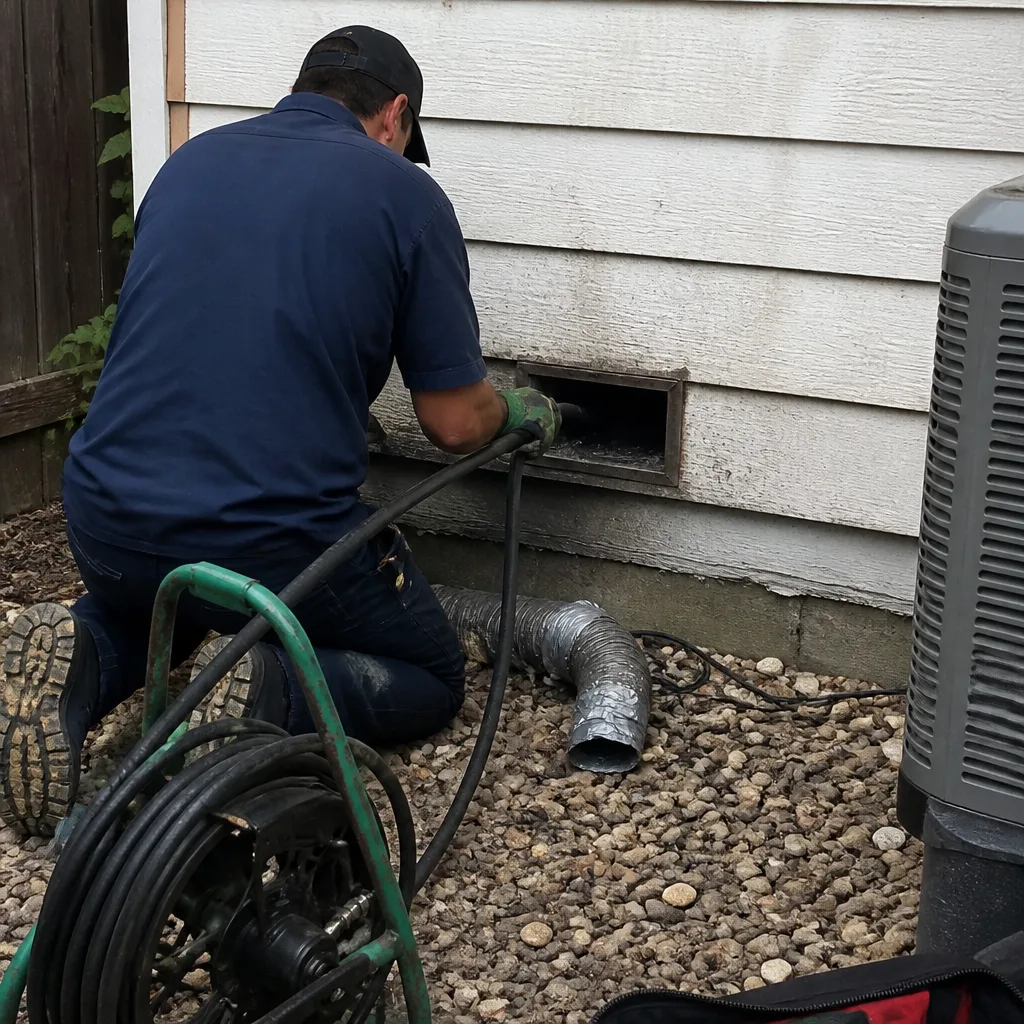
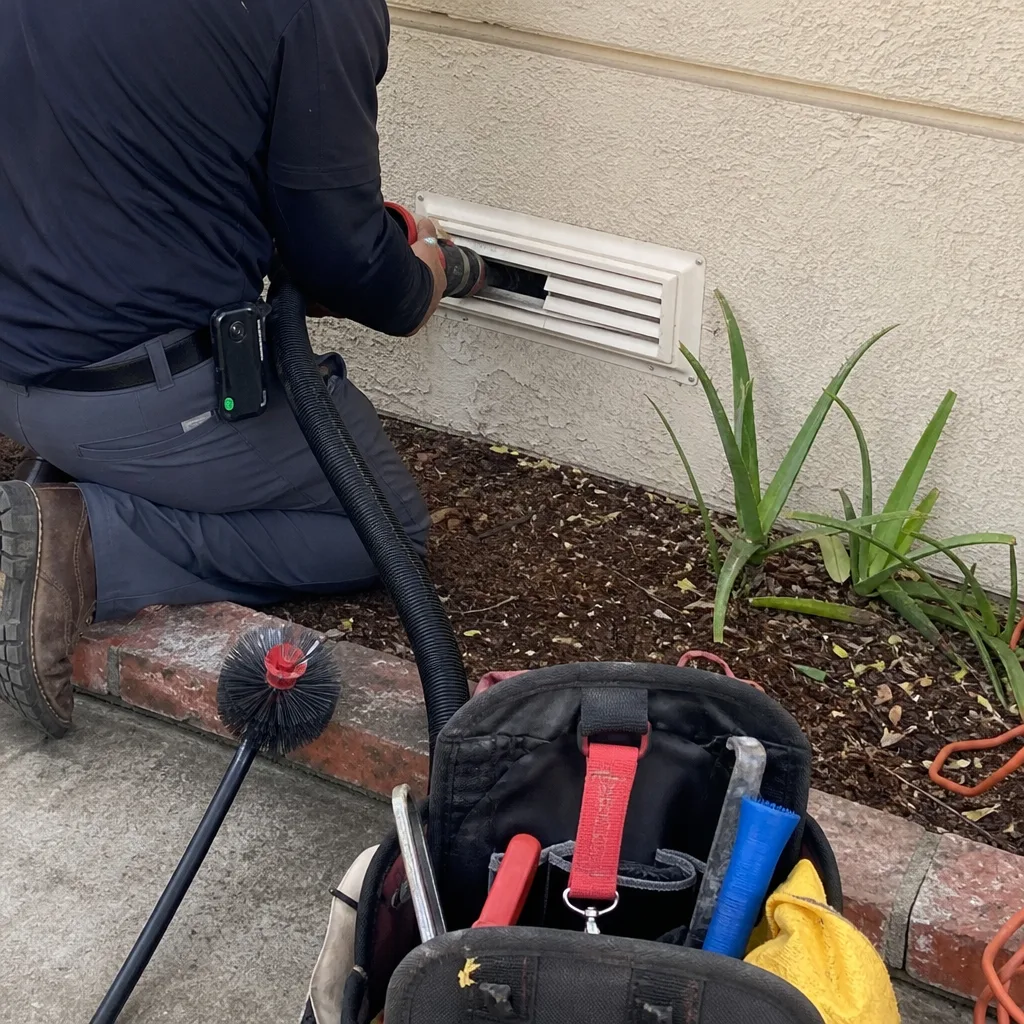
- Treating dryer vent cleaning as an afterthought upgrade. Dryer vent cleaning is a separate service with its own fire-safety stakes, and it should be handled as a dedicated service line, not a five-minute upsell at the end of a duct job. Ask whether the contractor runs dedicated dryer vent equipment. For San Jacinto homeowners, where the dry climate and hard water deposits inside dryer vents create an annual fire-safety concern, this matters. We offer Dryer Vent Cleaning in San Jacinto as a dedicated service, not an afterthought.
When to Call a Professional
Duct cleaning is not a task that repays DIY effort, because the equipment required to do it genuinely is not available at rental counters or home centers, and the access challenges of residential duct systems reward professional experience. But some specific situations deserve a prompt call rather than a deferred decision. If you’ve recently completed a renovation or remodel and can see construction dust at your registers, call. If you’ve occupied the home for five years or more and have never had the ducts inspected, call for an inspection at minimum. If you’ve noticed visible dust accumulation on surfaces shortly after cleaning, or if rooms at the far end of the house never seem to get adequate airflow, those are signs that the duct system is loaded with debris. If you have allergy symptoms that worsen in the home and improve elsewhere, the duct system may be recirculating allergens continuously. And if your Air Duct Repair in San Jacinto concerns go beyond cleanliness to visible damage, disconnected sections, or crushed flex duct, that’s a different scope of work requiring a contractor who can diagnose the system, not just vacuum it. Duct Cleaning San Jacinto offers free estimates in San Jacinto. Call (866) 569-6948 to schedule an inspection and get a documented before-and-after quote for your system.
Frequently Asked Questions
The best brand is the equipment tier your contractor owns and deploys, not the company name on the van. Look for a contractor running commercial-grade agitation and extraction systems: Rotobrush for powered mechanical agitation, Nikro for HEPA-rated negative air extraction, and Abatement Technologies for containment when the job calls for it. A contractor who can name their equipment brands and explain what each machine does is operating in a fundamentally different tier than one running portable vacuums, regardless of their company name.
Air Duct Cleaning services in San Jacinto typically run between $350 and $700 for a standard single-family home, quoted as a flat system price rather than a per-vent rate. Variables that affect the quote include the number of systems (separate heating and cooling equipment may mean separate duct systems), the total register count, the accessibility of the ductwork, and whether the cleaning scope includes additional services like dryer vent cleaning or air duct repair. The right way to get an accurate number is to ask for a documented inspection and a flat price agreed before work starts. Call (866) 569-6948 for a free estimate specific to your San Jacinto home.
Cheaper quotes almost always reflect cheaper equipment and a less thorough process. A contractor running a portable vacuum with a static brush can quote a low price because the equipment cost them a few hundred dollars and the job takes less time; that contractor is also not actually cleaning the duct surfaces. A contractor running powered agitation with HEPA-rated negative air extraction carries tens of thousands of dollars in equipment investment, and the quote reflects a job that’s actually being done. If two quotes differ by hundreds of dollars, ask both contractors to name their equipment. The gap will explain itself.
You know the work was done when the contractor shows you camera footage of your ducts before cleaning, and then shows you the same sections after cleaning. A legitimate duct cleaning changes the visible condition of the duct interior: the debris film is gone from the walls, the trunk line is clear, and the extracted debris is visible in the collection system. If a contractor cannot or will not provide before-and-after inspection, you have no verification mechanism, and the appropriate response is to decline the job.
For more guides & resources on maintaining your system, note that under normal residential conditions in San Jacinto, every 3 to 5 years is the appropriate interval for most homes. Factors that shorten the interval include pets, recent renovation or construction, occupancy by smokers, wildfire smoke exposure, allergy or respiratory conditions in the household, and visible dust accumulation at registers. Homes near agricultural land or unpaved roads in the San Jacinto area may need the shorter end of that range, because ambient dust loads are higher than in more developed areas.
Yes, with an important qualifier: duct cleaning only helps for allergies if the cleaning process actually removes allergen-bearing debris from the system. A HEPA-rated extraction process captures the fine particles, mold spores, and pollen fragments that standard filtration misses, and the before-and-after inspection verifies the removal. A surface-level cleaning that uses inadequate extraction can actually worsen allergy symptoms temporarily by redistributing allergens through the living space. The equipment grade determines whether the job helps or hurts. For a San Jacinto home where allergens accumulate in the duct system, this distinction is the difference between a useful service and a wasted expense.
The Bottom Line
The question “which duct cleaning brand should I choose” is framed around the wrong variable. The brand that matters is the equipment running inside your ducts, not the name on the contractor’s van or the logo on their website. A San Jacinto homeowner who learns to distinguish Rotobrush-grade agitation from a static brush, Nikro-grade negative air extraction from a portable vacuum, and Abatement-grade containment from an open-air cleaning approach can make a confident buying decision in five minutes. The contractor who owns professional equipment, names it specifically, documents the work with before-and-after inspection, quotes a flat system price, and backs the result with a documented process is the contractor worth hiring. In San Jacinto, Duct Cleaning San Jacinto offers free estimates and welcomes the equipment questions this guide has prepared you to ask. Call (866) 569-6948 and put the framework to work on your own system.
Written by the team at Duct Cleaning San Jacinto, serving San Jacinto since 2015.
See the difference
 Before
 After
 Before
 After
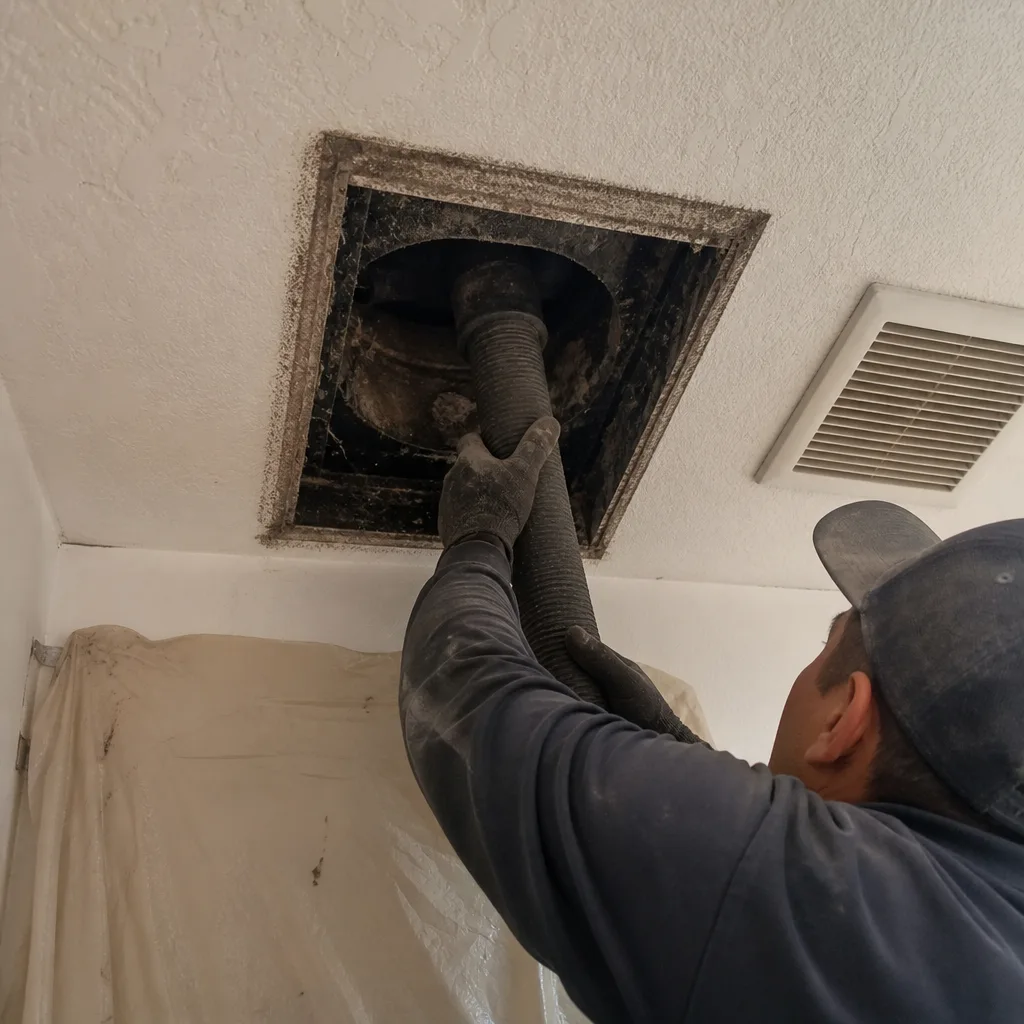 Before
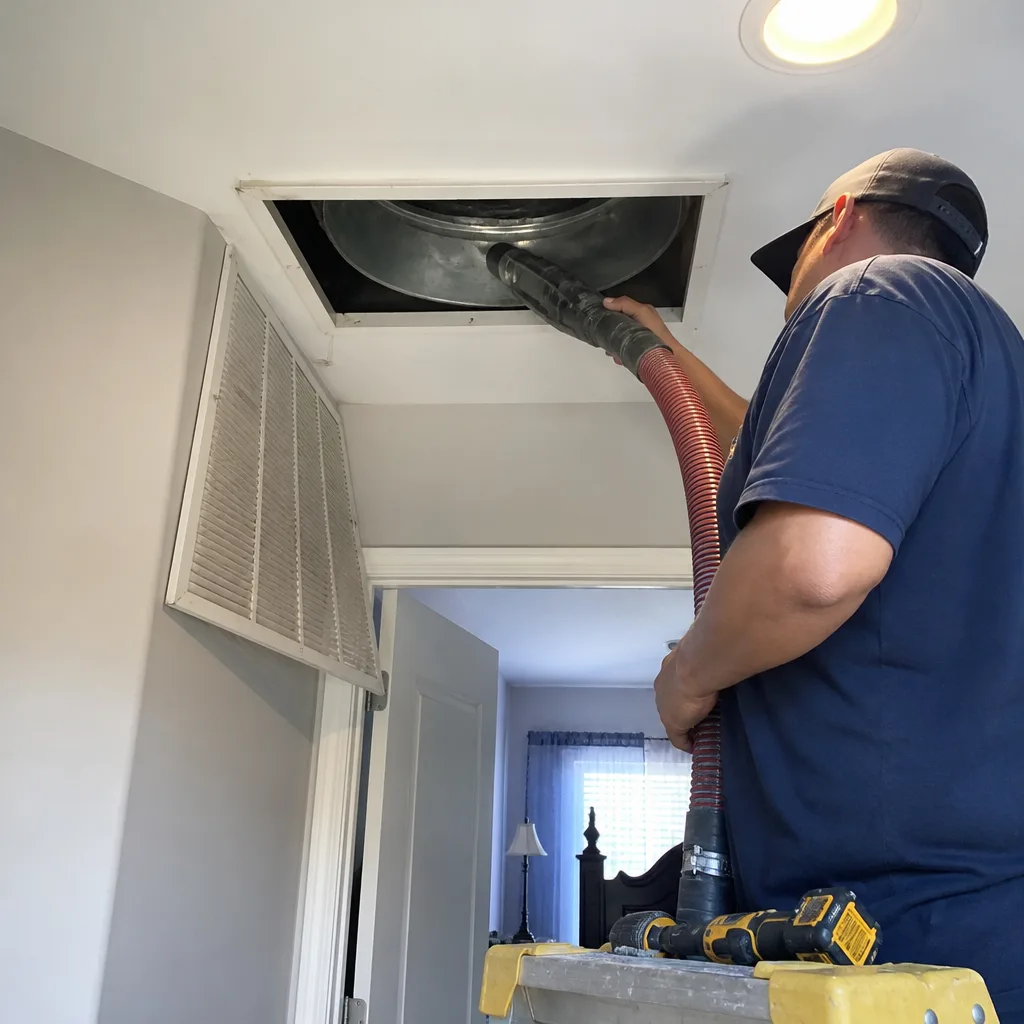 After