
Last updated November 2, 2026
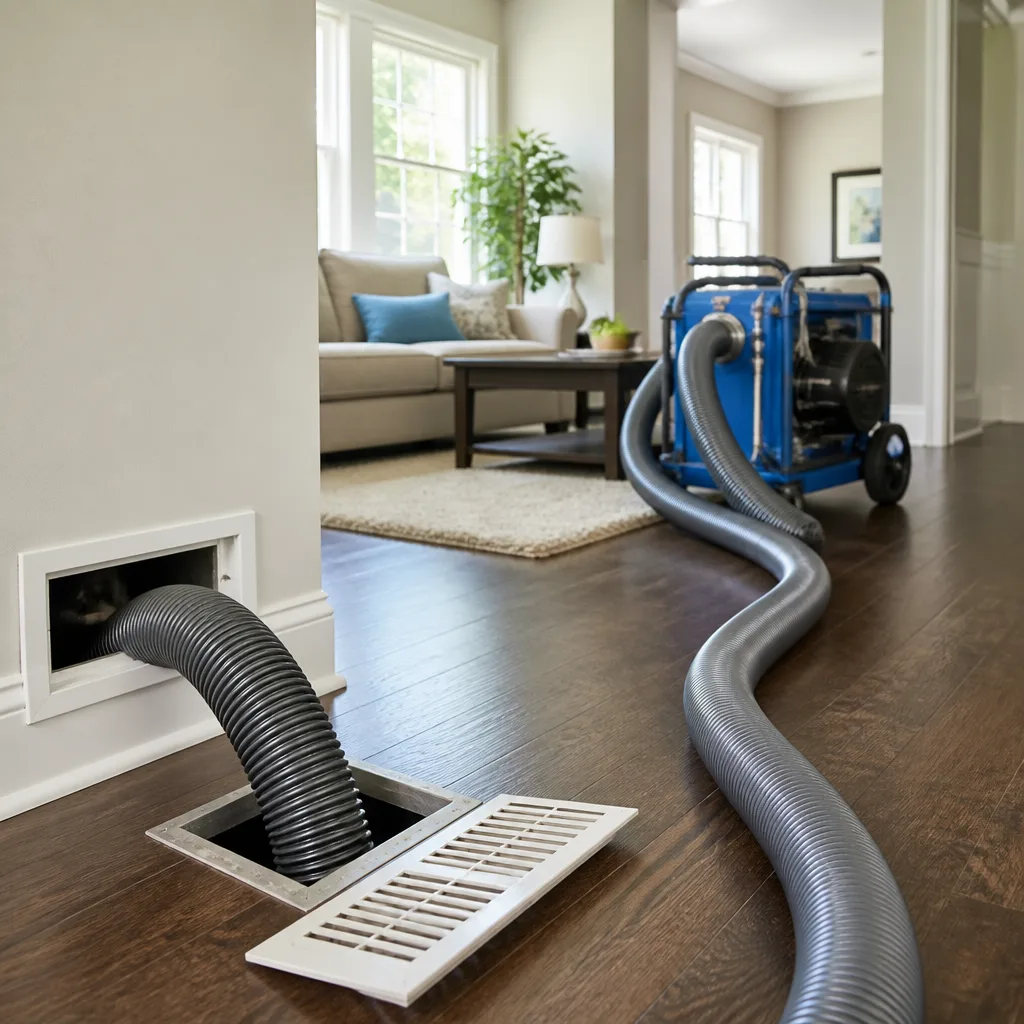 Whole-home duct cleaning
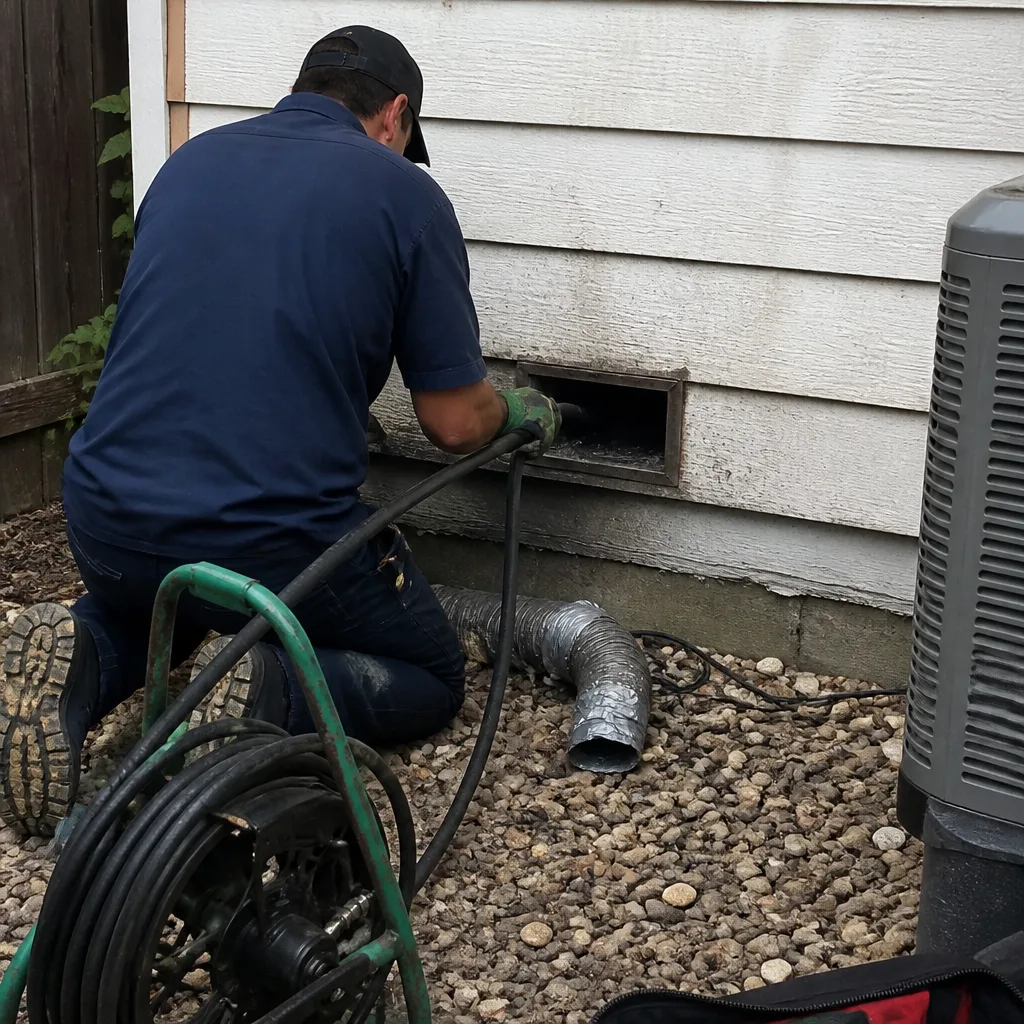
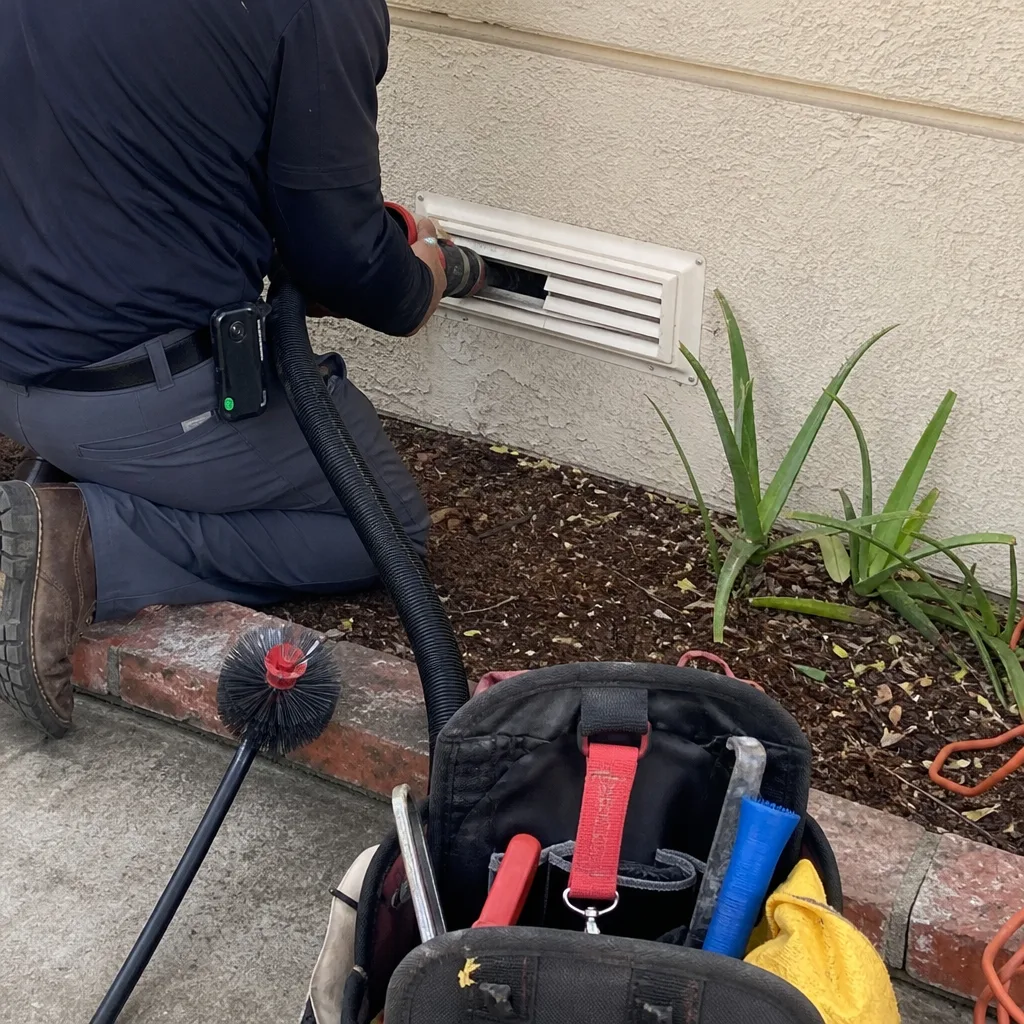
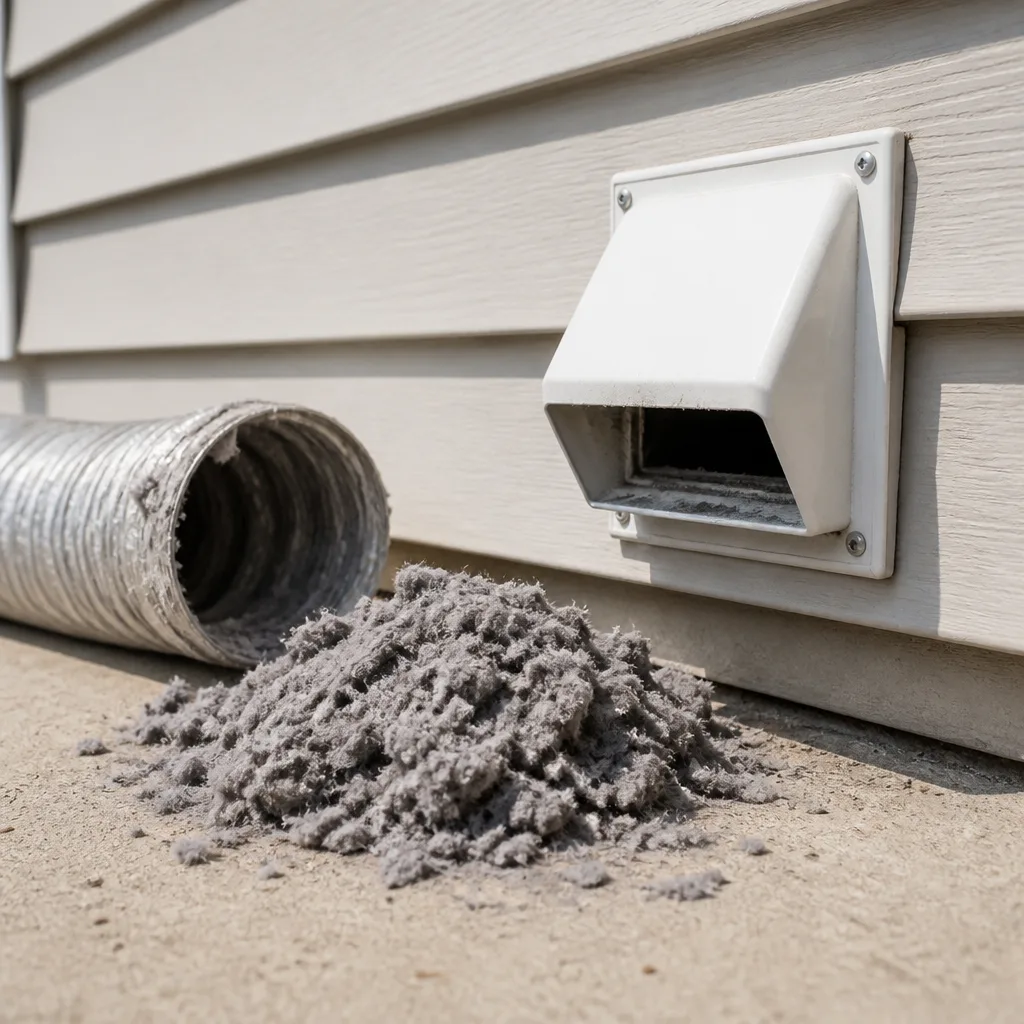 Dryer vent cleaning
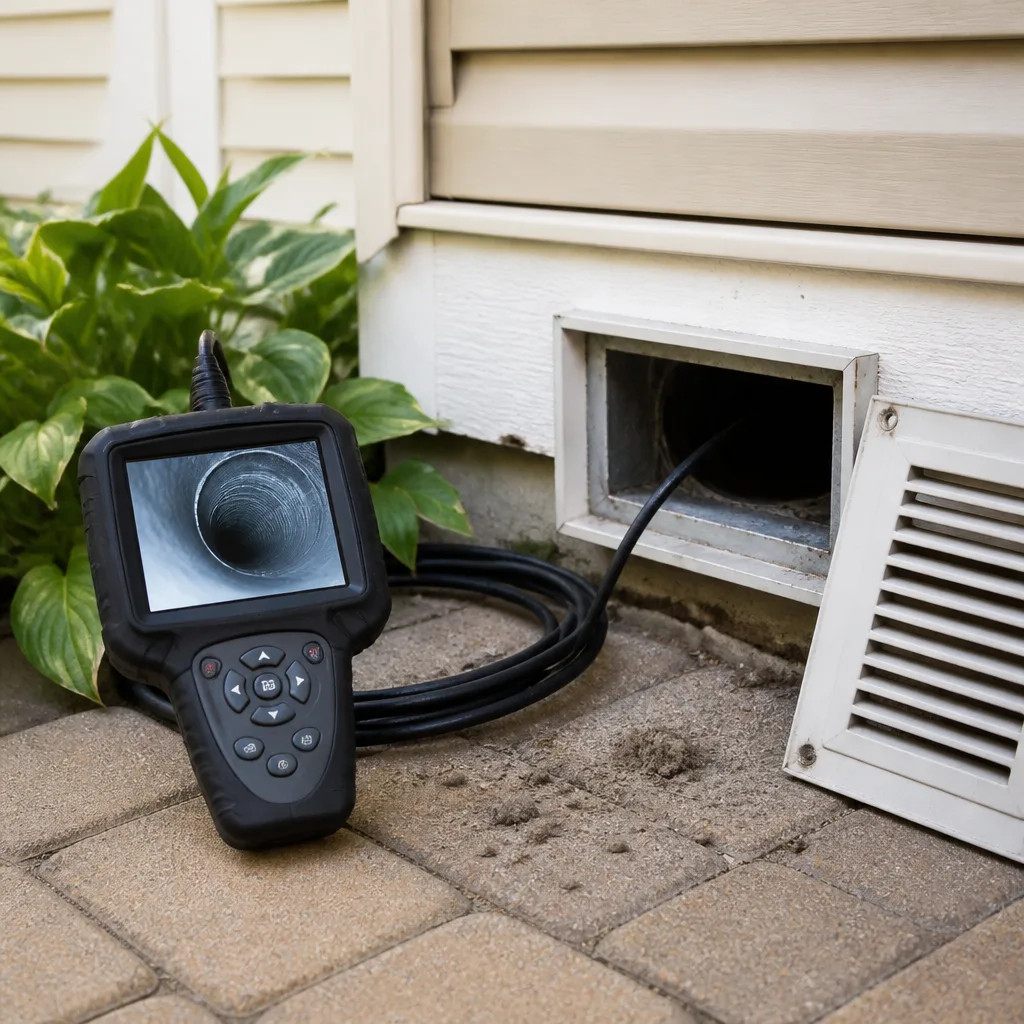 Camera inspection
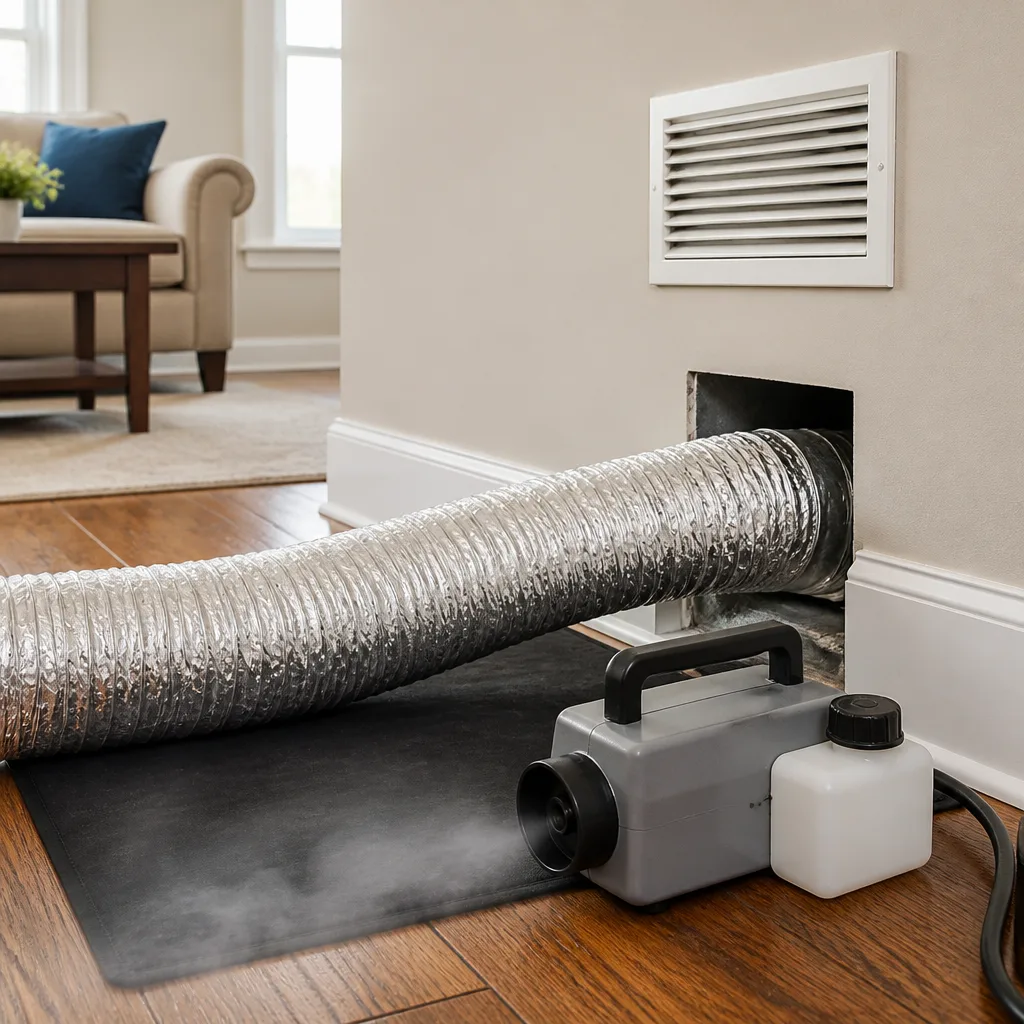 Sanitizing & deodorizing
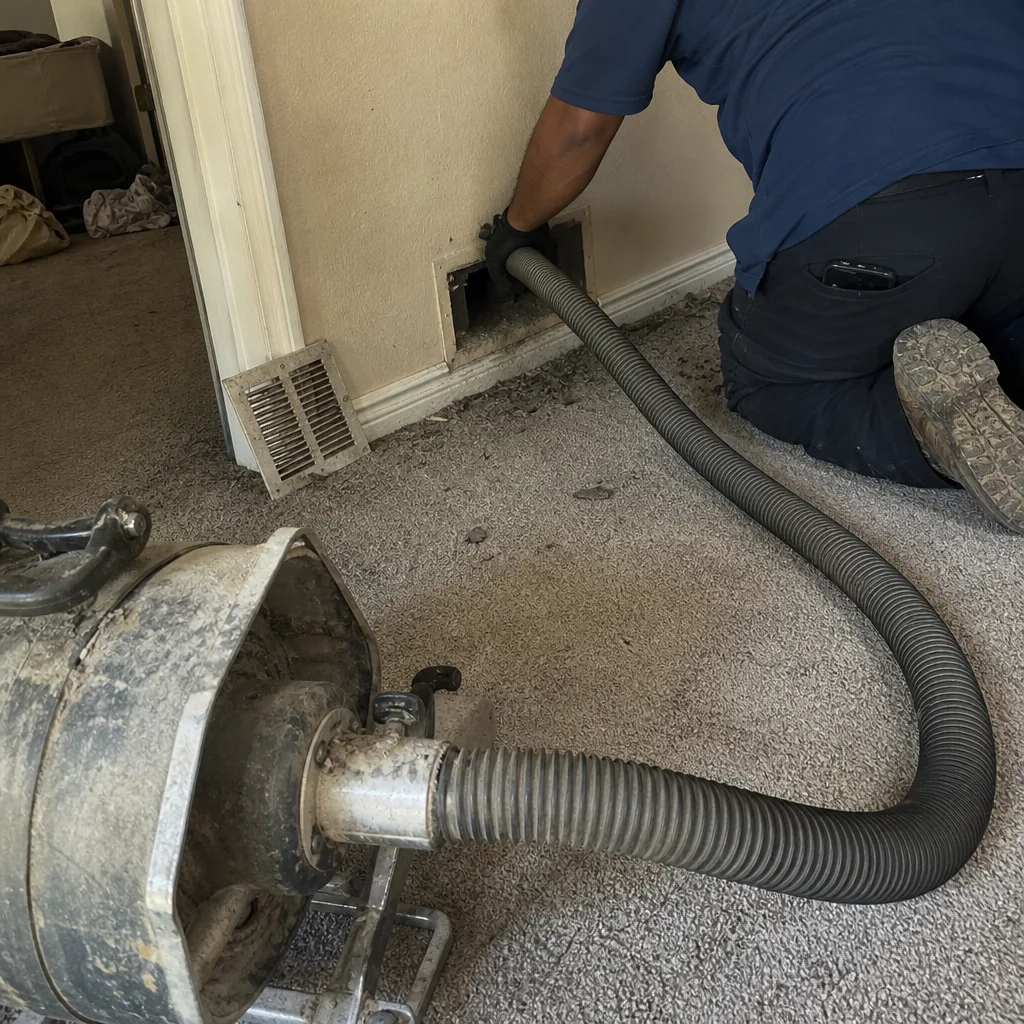
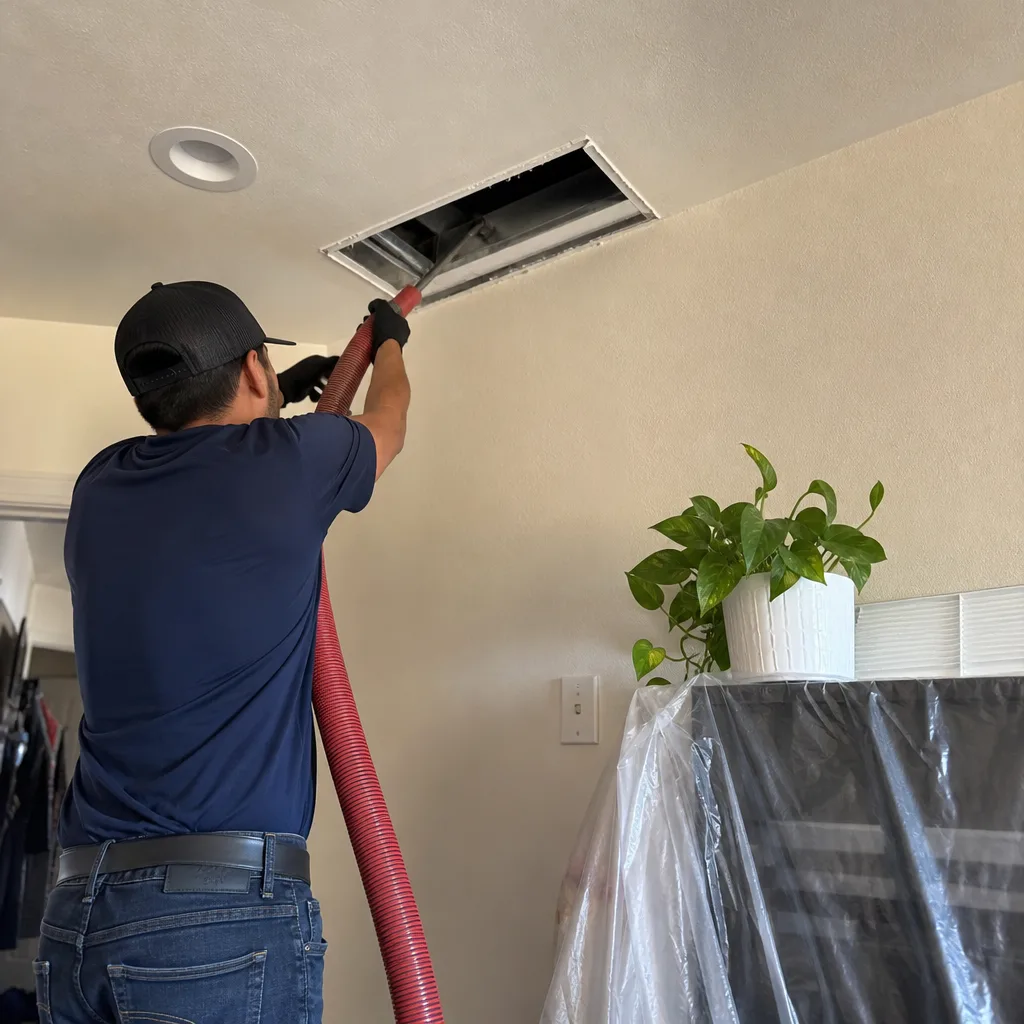
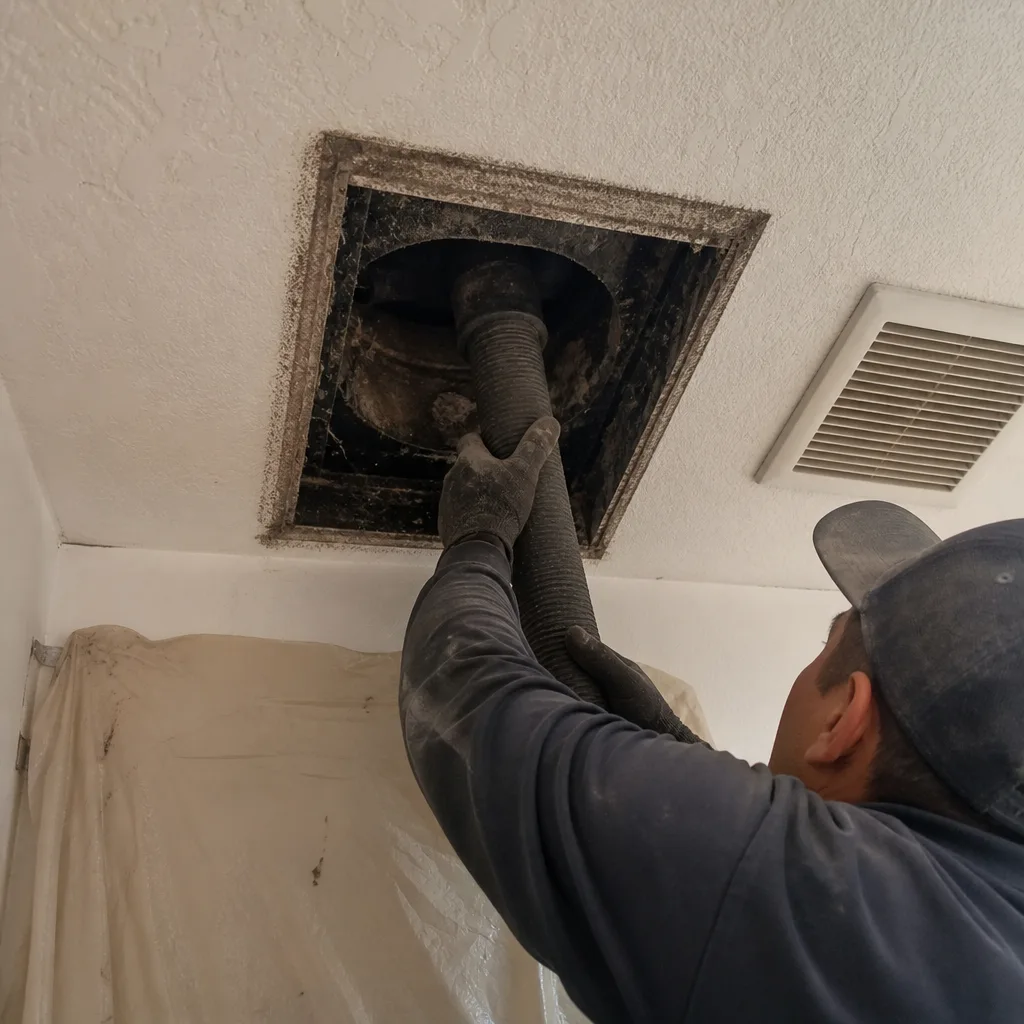
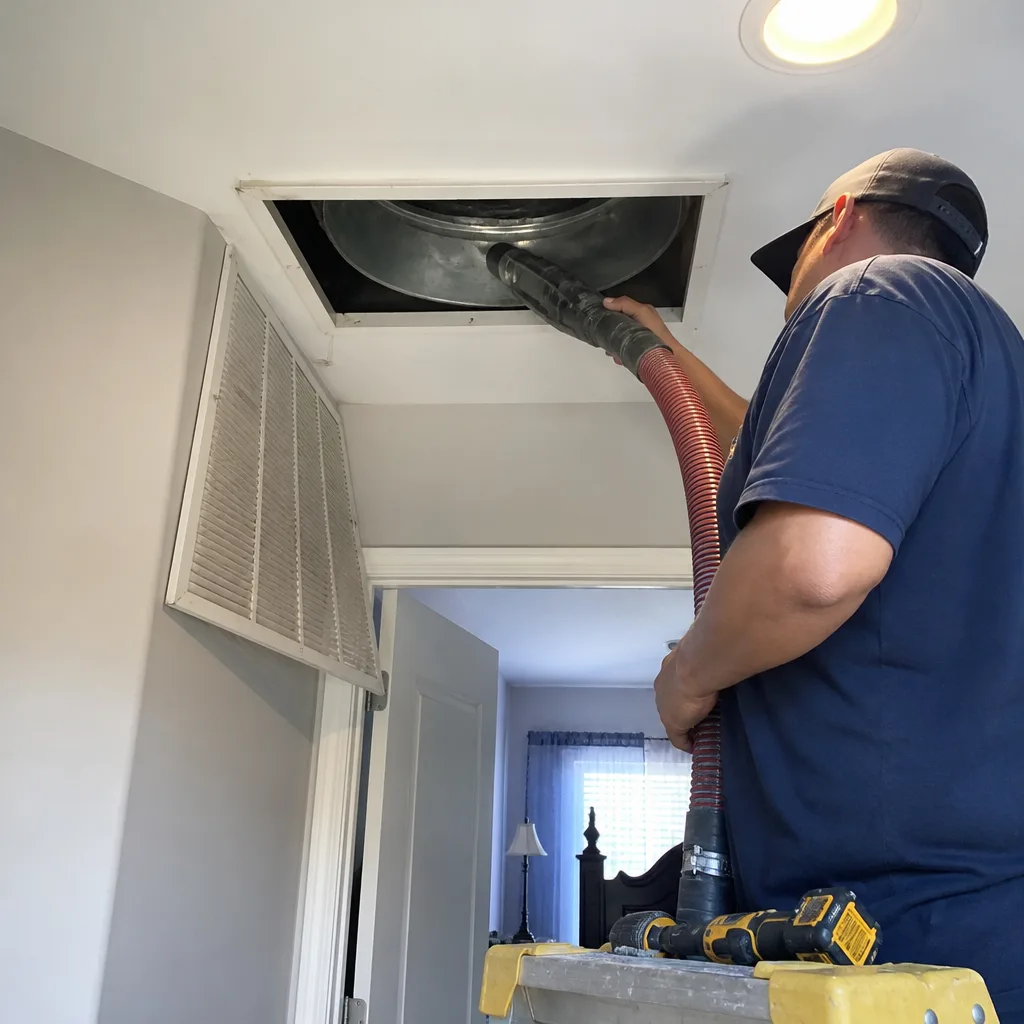
Whole-system duct and dryer vent check with before-and-after photos - you see exactly what came out of your vents
That "$99 whole-house special" is a bait ad - the real number appears once they are in your hallway, or the "clean" is a shop-vac at the register. We photograph the inside of your ducts before and after instead.
Air Duct Cleaning Warning Signs: A San Jacinto Homeowner’s Reference Guide
A duct system doesn’t announce itself when it starts failing your air quality. It whispers. A room that never quite cools, a filter that loads in 10 days instead of 30, an energy bill that climbs 15% without any change in your thermostat settings. Here’s the uncomfortable truth most San Jacinto homeowners learn too late: the visible dust clouding your registers and the allergy flare-ups everyone associates with dirty ducts are late-stage signals. By the time you see them, the system has been underperforming for months, sometimes years. This guide covers what actually happens before that point, how to spot the mechanical and environmental warning signs early, and how to tell the difference between a duct system that needs our Air Duct Cleaning services and one that needs repair. We’ll also cover the San Jacinto-specific triggers most national guides overlook entirely.
Styles & brands we work with
- Whole-home duct cleaning
- Dryer vent cleaning
- Camera inspection
- Sanitizing & deodorizing
Quick Answer
The early warning signs of ducts that need cleaning in San Jacinto are performance-based, not visual: uneven room temperatures, longer HVAC run cycles, filters loading in under three weeks, rising utility bills with no thermostat change, and a persistent musty or attic-like smell at the registers. Visible dust blowing from vents and black staining around register covers are confirming signs, not early ones. Post-event triggers specific to San Jacinto include wildfire smoke exposure, attic pest activity, and any remodel involving drywall or insulation. If your home shows two or more performance signals plus one visual or odor signal, the duct system needs professional attention.
Table of Contents
- The Performance Signals Most Homeowners Miss
- What That Smell at Your Registers Actually Means
- How to Visually Inspect Your Registers: A Flashlight Method
- Post-Event Triggers Specific to San Jacinto
- Dirty Ducts vs. Damaged Ducts: Two Different Problems
- Why Equipment Matters When You Do Call Someone
- Common Mistakes to Avoid
- When to Call a Professional
- Frequently Asked Questions
- The Bottom Line
The Performance Signals Most Homeowners Miss
A duct system loses efficiency gradually, which is exactly why most people don’t notice until the problem is advanced. The decline happens in small increments: a room that takes slightly longer to reach temperature, a system that cycles a little more often, a filter that suddenly seems dirtier than it used to be at the same interval. None of these signals trigger alarm on their own. Together, they tell a clear story about what’s happening inside your ductwork.
Here’s what to track, specifically. These are the pre-visual indicators that a professional eye would flag immediately in a San Jacinto home:
- Temperature differentials between rooms. One bedroom consistently runs 3 to 5 degrees warmer than the rest of the house in summer, or colder in winter. This often indicates a partial blockage in the branch duct serving that room. It’s not a damper issue if you’ve already adjusted dampers and the differential persists.
- Longer run cycles. Your system runs for 45 to 60 minutes or more on a hot afternoon where it used to satisfy the thermostat in 20 to 30 minutes. The restriction isn’t the equipment; it’s the airflow path. Dirty coils, a loaded blower wheel, and debris-lined ducts all force the system to work longer to move the same volume of conditioned air.
- Filters loading in under three weeks. A standard 1-inch filter in a typical San Jacinto home should go 30 to 60 days before showing significant loading. If yours is visibly clogged at day 10 or 14, that debris is either being pulled into the return side faster than normal or being recirculated from the duct interior itself. That’s a duct condition problem, not a filter problem.
- Utility bills climbing without a thermostat change. A 15% or greater increase in cooling-season electric bills, with the thermostat at the same set point as previous summers, is a measurable efficiency loss. Dirty duct interiors increase static pressure, which makes the blower motor work harder. That motor draws more current. The meter notices even when you don’t.
One more signal San Jacinto homeowners in particular should know: dust accumulation on surfaces directly beneath supply registers. In our climate, with dry air and regular wind events, ambient dust settles everywhere. But a visible dust plume pattern radiating outward from a register, on the ceiling or wall adjacent to it, points to debris being discharged from the duct itself rather than entering from outside. That’s a late-stage signal, but the pattern is distinctive and worth recognizing.
Distinguishing duct-related causes from equipment causes takes some observation. A system that’s losing refrigerant or has a failing compressor will show these same performance symptoms. The difference: equipment problems tend to affect the entire house evenly, while duct restrictions typically affect specific zones or rooms. If one bedroom is consistently warm and the rest of the house is comfortable, think duct. If the whole house struggles, check the equipment first, then the ductwork as the secondary suspect.
What That Smell at Your Registers Actually Means
Odors coming from your supply registers are diagnostic information, and different smells mean fundamentally different problems. Treating every register odor as “dirty ducts” leads to wasted money and unresolved issues. Here’s what the specific smells actually indicate.
A persistent musty or earthy smell, present whenever the system runs and not tied to recent rain, indicates microbial growth or accumulated organic debris inside the duct system. In San Jacinto’s heat, this is often condensation-related: humid air meets a cold duct surface in an unconditioned attic space, moisture accumulates, and organic dust inside the duct provides a growth medium. The smell is the result. This condition can often be addressed with professional cleaning, especially when combined with sealing to reduce the condensation source.
An “attic smell” is different. That’s the smell of hot insulation, dust, and the specific odor of a wood-framed attic space in summer, coming through your registers. It usually means return-side leakage: the duct system is drawing in unconditioned, unfiltered attic air through gaps, disconnected joints, or failed seals. Cleaning alone won’t fix this. The system needs repair, sealing, and reconnection before cleaning makes sense. This is a classic case where the smell seems like a dirt problem but is actually a structural one.
A dead animal odor is unmistakable. Sharp, pungent, intensely biological, and localized to one register or one section of the house. This means an animal has died inside the ductwork or immediately adjacent to it, usually in an attic area near the unit. This is a removal problem first, a sanitation problem second, and a cleaning problem third. The carcass must be located and removed, the affected section cleaned and treated, and any entry points sealed to prevent recurrence. This is not a situation where routine duct cleaning solves the problem.
A burnt or acrid smell when the system first kicks on, especially after a period of disuse, often indicates accumulated dust on the heat exchanger or resistance elements burning off. In a heat pump system, this is usually minor. In a gas furnace, any persistent burning smell warrants immediate equipment inspection, not duct cleaning.
One San Jacinto-specific note: during the dry season, especially when Santa Ana winds push dust and fine particulate across the valley, a dusty or “hot dust” smell at startup is common and usually benign. The distinction is persistence. A dusty smell that clears within a minute or two of operation is normal. One that persists for the entire cycle indicates reservoir dust inside the duct system that’s being continuously disturbed.
How to Visually Inspect Your Registers: A Flashlight Method
You can learn a lot about your duct condition before making a single phone call. This method takes about 10 minutes and requires two tools you already own: a flashlight and a smartphone camera. Here’s the step-by-step process, along with what’s normal and what isn’t.
- Turn the system off. Never inspect ducts with the blower running. You want settled debris, not moving air, and you want to see what’s actually accumulated on surfaces.
- Remove a supply register cover. Pick one in a high-traffic area first, like a living room or main hallway. Remove the screws, lift the cover off, and set it aside.
- Shine the flashlight down the duct opening. Angle it so the beam rakes across the interior surface, not straight down. The raking light reveals texture and debris that direct light hides.
- Insert your smartphone camera into the opening, flash on, and take photos. Aim in three directions: toward the main trunk line, toward the register boot, and straight down the visible branch. Take multiple photos. Your phone camera sees and captures detail your eye misses in low light.
- Repeat at two or three more registers. Include at least one return air register, typically located in a hallway or larger room. Return registers draw air into the system and often show the most accumulation.
- Review the photos on a larger screen. Zoom in. Look at surfaces, corners, and seams.
What you’re looking for, specifically:
- A fine, even layer of gray dust on the duct floor is normal, even in a clean system. Dust is ubiquitous in any forced-air system; that’s what filters are for. A thin, uniform layer doesn’t indicate a cleaning need by itself.
- Clumps, drifts, or accumulations thicker than a few millimeters indicate a system overdue for cleaning. Dust that has accumulated in corners, along seams, or in ridges suggests years of buildup.
- Debris that isn’t dust: drywall chunks, insulation fibers, pest droppings, construction debris. These are red flags requiring immediate attention and specific cleaning protocols, not just routine service.
- Dark staining or discoloration on the duct interior, especially in patterns suggesting moisture, indicates water has been present at some point. This is a moisture issue that may indicate a leak, a condensation problem, or past flooding. Cleaning addresses the residue; a professional assessment should address the source.
- Visible mold growth, which appears as fuzzy, spotted, or web-like material, usually green, black, or white, is a remediation-level concern. This is beyond routine cleaning territory.
- Rust or corrosion on metal duct surfaces confirms ongoing moisture exposure. Cleaning won’t prevent recurrence; the moisture source must be found and corrected.
Register covers themselves tell a story too. Black staining on the wall or ceiling around a supply register cover, what HVAC professionals call ghosting, indicates particulate being blown from the register and depositing on nearby surfaces. That’s a late-stage signal of interior duct contamination. Normal air movement through a clean system doesn’t create this pattern.
The purpose of this inspection isn’t to replace a professional assessment. It’s to give you baseline information so you can have an informed conversation with any contractor you call. A homeowner who can describe what they saw, where they saw it, and what it looked like gets better service than one who says “I think my ducts might be dirty.”
Post-Event Triggers Specific to San Jacinto
Most duct cleaning advice assumes a stable environment: the ducts get gradually dirtier over years, and eventually they need cleaning. San Jacinto homeowners live in a different reality. Specific events in this area create acute contamination that demands attention regardless of when your ducts were last cleaned. These are the triggers that should move duct cleaning up your priority list immediately.
Wildfire smoke events. When smoke settles over the San Jacinto Valley from fires in the San Bernardino Mountains or farther afield, your duct system gets exposed to particulate that household filters aren’t designed to capture. Fine smoke particulate, measured in microns too small for standard filters, penetrates the entire system and settles inside ductwork. When the smoke clears and you replace your filter, the particulate remains in the ducts. It gets re-entrained every time the system runs. If your home was in a smoke-affected area for more than 24 to 48 hours, a duct assessment is warranted even without visible signs. The smell of smoke that lingers for weeks after the event is a telltale indicator of duct contamination, not just lingering odor in fabrics and carpets.
Attic pest activity. Rodents, squirrels, and roof rats are persistent in San Jacinto neighborhoods, especially in older housing stock with accessible attic vents and roof intersections. When pests nest in or near ductwork, they leave behind droppings, nesting material, and often chew through flex duct sections or disconnect joints. The signs are subtle: a faint ammonia odor, scratching sounds near the ceiling, or unexplained insulation material appearing at registers. Any confirmed pest activity in the attic warrants a full duct inspection afterward. The duct system may need repair, cleaning, or both. Pest-contaminated ducts aren’t just dirty; they’re a health concern that requires proper sanitization protocols.
Home remodel projects involving drywall or insulation. Any renovation that produces dust, drywall compound particles, or insulation fibers creates a contamination event for your duct system. Even with careful containment, construction dust finds its way into the return air stream, especially if the system runs during construction. Drywall dust is particularly problematic because it’s fine enough to pass through standard filters and alkaline enough to affect system components. If you’ve completed any remodel work, from a bathroom renovation to a full addition, budget for a post-construction duct cleaning as a separate line item. The best time to schedule it is after all drywall sanding and insulation work is complete, before you do your final deep clean.
Flooding or significant water intrusion. San Jacinto sees periodic heavy rain events, and in some neighborhoods, drainage or grading issues can put water where it doesn’t belong. Any water that enters the duct system, from a roof leak, a plumbing failure, or standing water in a crawlspace, changes the calculus entirely. Water-damaged duct interiors can support microbial growth within 48 to 72 hours. This isn’t a cleaning decision; it’s a contamination decision. Affected sections may need replacement rather than cleaning depending on the material and the extent of exposure.
Attic insulation replacement or air sealing work. If you’ve recently had your attic insulated or air-sealed, especially with blown-in fiberglass or cellulose, your ducts have almost certainly been exposed to insulation fibers and dust. Frankly, this is one of the most overlooked contamination sources we see in San Jacinto homes. The insulation crew works around the ductwork, and if any ducts are unsealed, slightly disconnected, or have minor breaches, insulation material gets inside. Post-insulation duct cleaning is cheap insurance against years of recirculating fiberglass particles.
Dirty Ducts vs. Damaged Ducts: Two Different Problems
Here’s where many homeowners get misled. Dirty ducts need cleaning. Damaged ducts need repair. The two conditions often coexist, and treating a damaged duct with cleaning alone wastes your money. Understanding which signals point to which condition will make you a smarter consumer and prevent you from paying for a service that can’t solve your actual problem.
Signals that indicate cleaning alone may be sufficient:
- Excessive dust accumulation visible inside ducts with no structural issues present.
- Odor from organic debris or microbial growth on the duct surfaces, with the duct material itself intact.
- Post-construction dust from drywall, insulation, or renovation work.
- Post-event contamination from smoke or pest activity where the duct material is sound.
- Fiberglass or cellulose insulation debris inside ducts from a completed insulation project.
Signals that indicate duct repair is needed first, before or instead of cleaning:
- Attic smell at registers whenever the system runs. This indicates return-side leakage pulling unconditioned attic air. Cleaning won’t fix the leak. The disconnected or separated sections must be found and reconnected.
- Visible condensation on duct surfaces in the attic. Uninsulated or poorly insulated ducts in a hot attic will sweat. The condensation causes the dirt and damage. Insulation and sealing fix the cause.
- Rooms that never reach temperature regardless of cleaning or damper adjustment. This often means crushed flex duct, a disconnected branch, or an improperly sized duct section, any of which is a repair issue.
- Visible gaps, separations, or collapsed sections at any accessible duct junction. These are structural failures. Air traveling through gaps into the attic is air you paid to condition.
- Damaged duct interiors after pest activity. Rodents chew through flex duct. Replacement of affected sections is often more cost-effective than attempting to clean thoroughly stripped material.
- Higher than expected humidity levels in the home during cooling season. This can signal a return-side leak pulling in humid outside air through an attic penetration.
The practical order of operations is this: repair first, clean second. Duct cleaning performed on a system with open leaks, disconnected sections, or active condensation sources is a temporary fix. Within months, the same conditions that created the original contamination will recreate it. A reputable company that offers both Air Duct Repair in San Jacinto and cleaning can diagnose which portions of your system need which service, and do both in one visit if needed. That’s the difference between treating the symptom and treating the system.
Why Equipment Matters When You Do Call Someone
One uncomfortable reality about the Choosing the Right Air Duct Cleaning Brand: A Buyer’s Guide for San Jacinto is that equipment quality varies enormously between contractors. A shop-vac attached to a rotating brush is not the same thing as purpose-built duct cleaning machinery. The difference shows up in the results, and it shows up in whether your problem gets solved or just gets stirred around.
Professional duct cleaning works on a principle of mechanical agitation and negative-pressure extraction. Agitation breaks the debris bond from the duct surface. Extraction captures the loosened debris and removes it from the system entirely. Both elements matter. If you agitate without proper extraction, you suspend debris that settles right back into the ducts. If you use suction without agitation, you remove loose surface dust but leave the compacted layers behind.
This is why the equipment used on your ducts matters more than most homeowners realize. A Rotobrush rotary brush system provides continuous mechanical agitation throughout the entire duct interior while simultaneously extracting the loosened material. It’s designed for exactly this application, with brush heads sized to the specific duct dimensions. A Nikro HEPA-rated negative air machine couples with that agitation to capture released particulates at the filtration point, not spread them through your home.
For jobs involving higher contamination, whether that’s post-remodel construction dust, post-pest remediation, or post-smoke exposure, different equipment comes into play. Abatement Technologies air scrubbers and containment systems are the standard in remediation environments. They create negative pressure zones, filter air continuously through HEPA filtration, and prevent contamination from migrating from the work area into living spaces. When the situation calls for that level of control, the equipment is the difference between a thorough job and a compromised one.
There’s also a system-compatibility factor. San Jacinto homes increasingly use whole-home air quality platforms like Honeywell and Aprilaire, which integrate filtration, ventilation, and sometimes UV treatment into the HVAC system itself. Cleaning ducts that serve these systems requires understanding how they work, which components should be protected during cleaning, and how the cleaning process interacts with installed filtration. A contractor who treats every home the same way, regardless of what’s installed, is working blind.
The practical takeaway: when you’re comparing duct cleaning quotes, ask what equipment will be used on your specific job. The answer tells you more about the quality of the work than the price does. Our Air Duct Cleaning in San Jacinto service uses professional-grade agitation and extraction equipment on every job, which is exactly what a homeowner should expect when they’re paying for results rather than a surface-level pass.
Common Mistakes to Avoid
- Waiting for visible dust at the registers before acting. Visible dust emission is a late-stage signal. The system has been losing performance and accumulating debris for months or years before it becomes visually obvious. Track the performance signals described above and act before you reach that point.
- Assuming a high-efficiency filter makes duct cleaning unnecessary. A better filter captures more particles before they enter the return side, but it does nothing for debris already in the ducts, and it can’t address leaks, moisture, or post-event contamination. Filter upgrades are complementary to duct cleaning, not a replacement.
- Hiring primarily on price. Duct cleaning done with inadequate equipment doesn’t just underperform. It can make things worse by loosening debris without proper extraction. The lowest bid often reflects equipment limitations, not generosity. In San Jacinto, where attic ductwork bakes in summer heat, a superficial cleaning leaves compacted debris behind.
- Cleaning around a leak instead of repairing the leak first. If your ducts have attic-side leakage, cleaning them without repairing the disconnects means the cleaned system immediately starts pulling in unfiltered attic air again. The contamination returns within months. Repair before clean, every time.
- Ignoring post-event exposures because “we just had them cleaned last year.” A wildfire smoke event, a rodent problem, or a remodel all create contamination events independent of your regular maintenance schedule. If one of these happened, the clock resets. Get the assessment.
- Treating all register odors as the same problem. Musty smell, attic smell, and dead-animal odor are three different situations requiring three different responses. Mistaking a structural leak for a dirt problem wastes a cleaning and leaves the actual issue untouched.
- Dismissing the performance signals because “the AC is just old.” Old equipment and dirty ducts compound each other. A 15-year-old system moving air through clean, properly sealed ducts will outperform the same system moving air through restricted, leaky ducts. Before you replace equipment, verify whether airflow restriction is the actual problem.
When to Call a Professional
Some situations call for a professional assessment rather than more observation. If you’ve identified two or more of the performance signals described above, that warrants attention. If you’ve confirmed visible contamination inside your registers through the flashlight method, that confirms the need. If you’ve experienced any post-event trigger, including wildfire smoke exposure, pest activity, remodeling, or water intrusion, schedule an inspection. If you have an unexplained odor at your registers that persists through filter changes and doesn’t clear within minutes of system startup, don’t guess about what it means. If you suspect damaged sections, separated junctions, or collapsed flex duct anywhere. And if you simply don’t know the last time the ducts were professionally cleaned, and you’ve owned the home for several years, treat that as your answer. See The Complete Air Duct Cleaning Guide for San Jacinto Homeowners for deeper guidance.free estimates in San Jacinto. Call (866) 569-6948 to schedule an assessment.
Frequently Asked Questions
Air duct cleaning in San Jacinto typically ranges from $350 to $650 for a standard single-family home with one HVAC system, with pricing based on system size, number of vents, accessibility of the ductwork, and the level of contamination present. Homes with multiple systems, extensive contamination, or remediation-level needs will run higher. You should expect a fixed price agreed to before work begins, not a per-vent price that balloons once the contractor arrives. Call (866) 569-6948 for a free estimate on your specific system, and you’ll get one flat price before any work is scheduled.
Cheaper duct cleaning quotes usually reflect cheaper equipment, shorter work time, or a bait-and-switch pricing model where the introductory price covers a minimal service and everything meaningful costs extra. A proper cleaning with rotary brush agitation and HEPA-rated extraction takes time and commercial-grade equipment, both of which cost money. When you see a quote dramatically below the market range, ask specifically what equipment will be used and what the quote includes. If the answer is vague, the price won’t hold.
Reputable duct cleaning companies provide before-and-after photos of your specific duct interiors, taken during the job at the same locations, so you can see the difference with your own eyes. You should also receive documentation of what was done and what was found. When you use the flashlight method described above before the contractor arrives, you’ll know exactly what your ducts looked like before, and you’ll be able to verify what changed afterward. That’s the practical way to confirm the work.
For most San Jacinto homes, air ducts benefit from professional cleaning every 3 to 5 years under normal conditions, but specific events reset that timeline. Wildfire smoke exposure, pest activity, remodeling projects, and water intrusion all warrant cleaning regardless of when the last service occurred. Homes with pets, allergy-sensitive occupants, or members with respiratory conditions tend to benefit from shorter intervals. There’s no universal answer, but a 3-to-5-year baseline with event-driven adjustments is the most defensible guidance.
Dirty ducts can absolutely worsen allergy symptoms by recirculating accumulated pollen, dust, and organic particulates throughout the home every time the system runs, effectively re-exposing occupants to the same irritants repeatedly. In San Jacinto’s dry climate, where outdoor allergens can be significant during certain seasons, cleaning removes the indoor reservoir so the HVAC system isn’t compounding the outdoor exposure. Pairing duct cleaning with a quality filtration upgrade, like a compatible Honeywell or Aprilaire system, often produces the most noticeable improvement for allergy-aware households.
Yes, Dryer Vent Cleaning in San Jacinto is a separate service with a different system, different tools, and a different primary concern. Your dryer vent runs from the dryer to the exterior of the home, carrying lint, moisture, and heat. It’s a fire-risk issue, not an air-quality issue. A clogged dryer vent causes dryers to run longer, increases energy use, and poses a genuine fire hazard. It requires specific equipment sized for the smaller diameter vent pipe. Treating it as an add-on to duct cleaning means neither job gets done properly.
The Bottom Line
A duct system in trouble rarely announces itself. It shows up as a bedroom that stays warm, a filter that clogs early, an energy bill that climbs without explanation, and a smell at the registers that wasn’t there before. These performance signals appear before the dust you can see, and they’re the real warning signs worth tracking. In San Jacinto, the calculus changes further: wildfire smoke, attic pests, remodel dust, and hot unconditioned attics all create contamination and damage that standard guides don’t account for. Learn to read the signals, distinguish dirty from damaged, inspect your registers before calling, and insist on professional-grade equipment when you do. Your ducts move the air your family breathes. That’s a system worth taking seriously. Call Duct Cleaning San Jacinto home at (866) 569-6948 for a free estimate and a straight answer about what your specific system actually needs.
Written by the team at Duct Cleaning San Jacinto, serving San Jacinto since 2015.
See the difference
 Before
 After
 Before
 After
 Before
 After